Taming the Mad Drunk Moose: The Art of Inner Stillness

In the deep woods of our inner lives, there is a mad drunk moose—charging, restless, trampling every tender sapling of peace. Wild and unguided, it thrashes through memories, hopes, regrets, and fears, leaving only chaos in its wake. This is the mind untrained, untethered, refusing stillness.

Do you like what you are reading? Sign up below for more blog posts.

But the forest holds secrets. There is a path through the dense underbrush, one that transforms the wild moose into a calm and noble presence. This is the practice of shamatha, a journey of quiet persistence that softens the rough edges of our thoughts and allows us to witness the mind in its natural, untroubled state.

The Nine Steps to Taming

Like soft rains that shape stone over time, the nine steps of shamatha slowly mold our untamed minds. They guide us, not with force but with gentle repetition, toward a stillness that is both powerful and luminous.

  1. Placing the Mind
    We invite the mind to the breath, that ancient rhythm of life. It comes hesitantly, distracted and unsure, but it comes.
  2. Continuous Placement
    A fragile thread forms between the breath and awareness. The mind drifts, yet it returns more readily, like a moose pausing to listen to the wind.
  3. Returning Placement
    We mend the moments of distraction, patching them with patience by returning to the breath again and again. The mind learns to return, not out of command, but out of trust.
  4. Completely Focused Placement
    The bond strengthens. The breath becomes an anchor, holding the mind steady even as the world hums and sways.
  5. Subduing the Mind by Applying Antidotes
    The moose begins to trust its own stillness. The wild energy of distraction fades, replaced by the first glimpses of calm.
  6. Pacifying the Mind
    Here is the first breath of true peace. The moose no longer fights stillness but finds refuge in it.
  7. Completely Pacified Mind
    The wildness is nearly gone. Thoughts arise like birds in flight but do not disturb the ground they leave behind.
  8. Single-Pointed Focus
    Stillness becomes second nature. The breath and the mind move as one, inseparable and steady.
  9. Equanimous Stillness – Entrance into Samadhi
    The forest is quiet now. The moose stands at ease, grazing without fear. The mind rests in its own clarity, undisturbed by the noise of the world.

Do you like what you are reading? Sign up below for more blog posts.

The Masculine Within the Mind

This practice is not just about calming the storm within but also about rethinking what it means to hold strength. The moose, in all its power and untamed glory, is a masculine force—unyielding, unpredictable. Yet its true strength is revealed in its capacity to find stillness, to become a protector of the forest rather than its destroyer.

Today, in a world of shifting expectations and deepening divides, the conversation about masculinity feels urgent. How do we guide the wild strength of the masculine toward nurture, support, and creation rather than destruction? How do we empower men—fathers, sons, brothers—, as well as this rampant masculine force within all of us, to embody compassion alongside courage?

Alexandra Pascalidou’s book Papporna (The Fathers) offers a glimpse into this reimagining of strength. Through the voices of fathers, it shows the beauty of masculine vulnerability, the quiet courage of care, and the transformative power of presence. It reminds us that the same energy that charges destructively through life can also be harnessed to uplift and protect.

An Invitation

So, let us sit. Let us breathe. Let us begin to tame the moose—not with chains, but with compassion. In taming our minds, we learn to hold strength with grace, to wield power with care, and to become protectors of both our inner forests and the people who walk them with us.

Do you like what you are reading? Sign up below for more blog posts.

If you’re ready to take this practice deeper, keep an eye out for the reopening of my digital course Inner Stillness. It’s a guided journey into cultivating calm and clarity, perfect for those looking to take the first steps or deepen their meditation practice. Follow this space for updates, and don’t forget to connect with me on Instagram, where I share teachings, reflections, and insights most often.

May the wild within us find its stillness, and may we all—regardless of gender—grow into the noble strength of protectors and caretakers.

With steady breath,
Lama Chimey

Psychology Soothes the Ego, Buddhism Lets It Go: Why We Need Both for a Balanced Life

AI generated picture

We live in a world that tells us to find ourselves, heal ourselves, and be ourselves. Psychology offers us tools for this journey, helping us soothe the cracks and bruises of the ego. It teaches us how to function better in relationships, careers, and life. Psychology soothes the ego, buddhism lets It go, we need both for a balanced life.

However, Buddhism doesn’t stop at healing. It takes the ego—the very thing we’ve worked so hard to patch up—and whispers, Let it go.

The Ego’s Comfort Zone

Psychology works with the ego, not against it. Through therapy and self-reflection, we learn to hold the ego gently, to understand its fears and soothe its pains. A well-cared-for ego allows us to find stability, communicate better, and live with greater ease.

Do you like what you are reading? Sign up below for more blog posts.

Think of the ego as a home. Sometimes it’s cozy, other times it’s a little chaotic, but it’s ours. Psychology helps us clean up the clutter and reinforce the walls. It makes life livable, and that’s no small feat.

Buddhism’s Call to Let Go

Buddhism invites us to see that the ego—the “I” we cling to so tightly—is like an illusion. It’s a clever construction, held together by habits, fears, and desires. And while it feels real, it keeps us trapped in cycles of attachment and suffering.

However, this realization comes with a danger: misunderstanding emptiness as nothingness. This is the trap of nihilism—the belief that if the self is an illusion, then nothing matters, and life has no meaning. Nihilism can lead to apathy, despair, or even cynicism, none of which reflect the teachings of the Buddha.

Buddhism teaches emptiness, but not as a void of meaning or purpose. Instead, emptiness reveals the interconnectedness of all things. It is not a denial of existence but an invitation to experience life beyond clinging and separation. The ego may dissolve, but what emerges is a vast, luminous awareness filled with compassion and wisdom. In this interconnected web of life, we see that we are not isolated beings but deeply interdependent. We depend on each other and need each other now more than ever, especially in a world that often feels divided. Recognizing this, we can move forward with a heart rooted in kindness and a commitment to collective well-being.

Do you like what you are reading? Sign up below for more blog posts.

True liberation comes not from abandoning meaning but from letting go of false attachments and discovering the profound fullness that lies beyond. This is why the path requires both clarity and guidance—so that we can dismantle illusions without falling into despair. That’s why I’ve made myself available in the world again, after all those years in monasteries, and have created the Triyana Meditation System. It serves as a bridge into our Western day and age, rooted in traditional Eastern meditation techniques that have been time-tested for their transformative power. Through this system, I’m making these profound practices accessible, relevant, and supportive for you to take part of.

Why Both Paths Matter

Psychology and Buddhism may seem like opposites, but they’re not enemies. In fact, they complement each other beautifully. For many of us, psychological care is the foundation we need before we can begin the Buddhist path. A soothed ego creates the stability to ask the deeper, harder questions—and the resilience to not succumb under their weight.

Do you like what you are reading? Sign up below for more blog posts.

Psychology gives us tools to navigate the world; Buddhism shows us how to transcend it. One path comforts the self, the other dissolves it. Both are acts of profound compassion, but they lead to very different outcomes.

Choosing Both

We don’t have to choose between soothing and letting go. In fact, it’s wise not to. A stable ego allows us to face the hard truths of impermanence and emptiness without falling into despair. Likewise, the wisdom of Buddhist practice can enrich our psychological work, giving us a larger context for our struggles.

To watch and listen to a teacher conversation on this topic between my self and the Health and Yoga Coach Rebecka Latoś go here.

Do you like what you are reading? Sign up below for more blog posts.

These paths are not interchangeable, but they are complementary. Together, they form a holistic map of the human experience—one that embraces the messiness of being and the vastness of liberation.

So, care for your ego. Soothe it when it hurts. And when the time comes, be ready to let it go. Both are part of the journey, and both are acts of love.

With compassion,
Lama Chimey

Get Dharma Blog Posts straight to your device

Being the Change: Embodying Wisdom as a Leader in a Turbulent World

As a leader, you are not merely guiding others—you are shaping the world through your being. Vajrayana Buddhism teaches that to truly lead, you must embody the qualities you wish to see in the world. Leadership is not about reacting to challenges; it is about being the change itself. Embodying wisdom as a leader in a turbulent world is the essence of the bodhisattva path: transforming yourself so that you can transform the environment around you.

Interdependence: Understanding the Web of Life

In Tibetan Buddhism, the principle of tendrel (རྟེན་འབྲེལ་)—dependent arising—reveals that all phenomena are interconnected. Nothing exists independently; every action, thought, and intention shapes the whole. Leadership is not separate from this truth. When you lead with awareness, your very presence becomes a cause for harmony and growth.

Do you like what you are reading? Sign up below for more blog posts.

Imagine yourself as a jewel in Indra’s Net, infinitely reflecting and being reflected by others. In this web, your state of being—your clarity, compassion, and wisdom—creates ripples that touch everything around you. If you lead from a place of fear or self-centeredness, those qualities will manifest in your environment. But when you embody lhakthong (ལྷག་མཐོང་)—profound insight—better known in the west as vipassana, you naturally align with the interdependent nature of reality and lead in a way that benefits all beings.

Ask yourself: How can I embody interconnection in my leadership? What qualities am I reflecting to the world?

Impermanence: Letting Go to Become the Change

The Vajrayana path emphasizes mi rtag pa (མི་རྟག་པ་)—impermanence—as a profound truth to live by. To be the change, you must let go of what no longer serves. Clinging to outdated identities, roles, or ways of thinking keeps you bound to the past. Instead, embrace the dynamism of impermanence as an opportunity for growth and renewal. Engage with me, Lama Chimey, in a powerful inspirational speech that dives deeper into this transformative wisdom, igniting courage and clarity to navigate life’s transitions with purpose and grace.

Do you like what you are reading? Sign up below for more blog posts.

Just as a river flows continuously, never holding onto a single drop of water, so too must a leader flow with the ever-changing circumstances of life. Vajrayana practice teaches us to see change not as a threat but as the very essence of potential. This is the meaning of transformation, recognizing that within every moment lies the power to shape a new reality.

Reflect: What am I holding onto that prevents me from fully becoming the change I wish to see? How can I release it with grace and courage?

The Present Moment: Where Change Begins

In Buddhism, the present moment is sacred. It is through resting in awareness—that we discover the true nature of mind and reality. To lead with authenticity and wisdom, you must first be fully present. Leadership is not something you do; it is something you are.

Do you like what you are reading? Sign up below for more blog posts.

When you are grounded in the present, your very being becomes a source of stability for others. This is not a passive state but one of active awareness, where you meet each moment with an open heart and a clear mind. In this way, you embody the union of skillful action and profound insight.

Contemplate: Am I truly present? How can I anchor myself in this moment so that my leadership arises from clarity and compassion?

Leadership as an Act of Being

In Mahayana Buddhism, the path of the bodhisattva is not about achieving external goals but about transforming one’s being for the benefit of others. Leadership, in this context, is a mandala—a sacred space in which all elements are in harmony. At the center of this mandala is your mind and heart, the seat of awareness.

Do you like what you are reading? Sign up below for more blog posts.

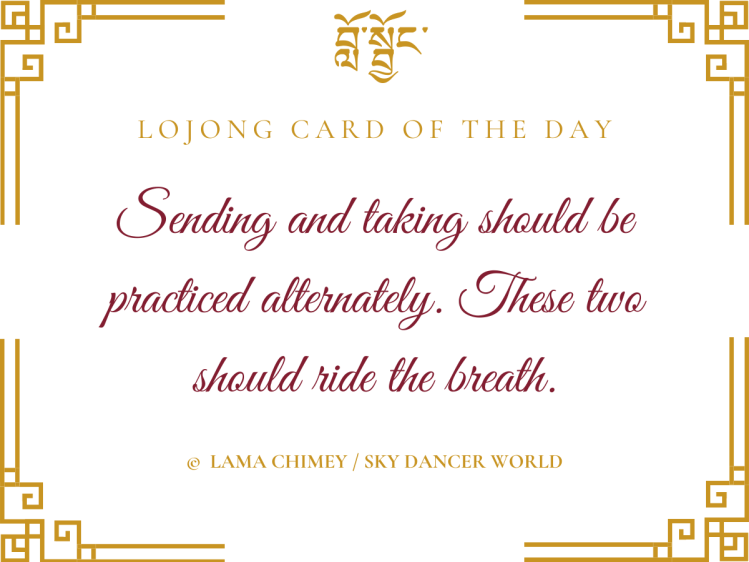
When you lead from this center, your presence becomes an offering. You no longer see leadership as a role to play but as a natural expression of your embodied wisdom. The teachings of lojong (བློ་སྦྱོང་)—training the mind—encourage us to embody the qualities of wisdom (yeshe, ཡེ་ཤེས་) and compassion (nyingje, སྙིང་རྗེ་). These are not abstract ideals but lived realities that arise when we align with the nature of mind. To support this practice, I am currently creating a full set of lojong cards designed to inspire and deepen your journey, which will soon be available.

Ask yourself: How can my leadership become an offering of wisdom and compassion? What qualities am I cultivating in my mind that will shape the world around me?

Facing Tomorrow as the Change

The Vajrayana teaching on shunyata (གཞུང་སྟེ་)—emptiness—reminds us that the future is not fixed. It is a field of infinite potential, shaped by our intentions and actions in this very moment. To be the change means to live in alignment with this truth, letting go of fear and doubt, and stepping forward with courage and a vision that benefits all beings.

Do you like what you are reading? Sign up below for more blog posts.

Leadership is not about controlling the outcome but about embodying the qualities that create the conditions for positive change. By being present, embracing impermanence, and living in harmony with interdependence, you become the change you wish to see.

Take a breath, feel the sacredness of this moment, and lead from the depth of your being. This is how transformation happens—not through force, but through the luminous example of one who is the change.

Now is the time,

Lama Chimey

Get Dharma Blog Posts straight to your device

When We Love, We Win: The Power of Loving-Kindness in a Troubled World

In a world that often feels fractured and divided, it’s easy to get swept away in worries, conflicts, and the feeling of separation. Yet, there is a simple yet profound way to find peace, resilience, and true happiness: by expanding our hearts to include others. When we love, we win—not only as individuals but as a collective.

The Importance of Loving-Kindness

Loving-kindness, or metta, is a transformative force. Rooted in the ancient practices of Buddhism, loving-kindness meditation, or metta bhavana, invites us to think of others with compassion and warmth. It’s a powerful reminder that our happiness doesn’t come from what we accumulate or achieve but from the connections we cultivate. By turning our attention outward, we shift from self-centeredness to selflessness, and our capacity for joy expands naturally.

Do you like what you are reading? Sign up below for more blog posts.

In meditation, the simple practice of focusing on loving-kindness enables us to soften our thoughts, calm our minds, and open our hearts to others. Through consistent practice, this gentle warmth becomes a genuine feeling of care for all beings. Imagine the world if we all paused daily to generate kindness toward others. In times of pain or misunderstanding, such a practice can become a balm for ourselves and for the world.

If you’re looking for somewhere to start your loving-kindness journey you might like to download this excerpt about Metta – loving kindness, from my Triyana Meditation E-Book for FREE  here,

Tools for Loving-Kindness: Metta Bhavana and Tonglen

The practices of metta bhavana and tonglen offer a way to cultivate this love intentionally. Metta bhavana, from the Theravada tradition, involves wishing well-being and happiness for oneself, loved ones, neutral people, and even those we find challenging. It’s a practice of gradually expanding our circle of compassion until it knows no bounds.

Do you like what you are reading? Sign up below for more blog posts.

Tonglen, a Tibetan practice, adds a powerful layer: we learn to breathe in the pain and suffering of others and breathe out relief and healing. This exchange teaches us that our hearts are vast enough to hold both joy and sorrow. In a world where suffering can seem overwhelming, tonglen reminds us that love has an alchemical quality; by willingly taking on others’ suffering, we transform it into compassion.

If you’re looking for somewhere to breath, for yourself and others, go here, for a guided meditation session.

Triyana Meditation: Integrating Three Paths

Those of you who have been following me for a while knows that at the heart of my teachings lies Triyana Meditation, a system that draws from the three main schools of Buddhism—Theravada, Mahayana, and Vajrayana. In this way, we’re able to incorporate practices that strengthen focus and inner stillness (shamatha or shiné), compassionate transformation (tonglen), and deep rest and release (namkha nidra, or yogic sleep).

Do you like what you are reading? Sign up below for more blog posts.

By combining these teachings, and more, we create a comprehensive approach to inner peace and resilience. Together, these practices provide the tools to meet the challenges of life, cultivating awareness, compassion, and equanimity.

Want to Join? Let’s Practice Together at Båstad Yoga Games

If you feel drawn to deepening your understanding of these powerful practices, I invite you to join me at Sweden’s largest Yoga Festival, the Båstad Yoga Games. Together, we’ll explore passages of inner stillness, cultivate balance in giving and receiving, and tap into the expansive awareness of yogic sleep.

Do you like what you are reading? Sign up below for more blog posts.

For those ready to take the next step, there will be a special Triyana meditation workshop, Friday November 15th, at 4.00 pm, at Yoga Games, designed to help you understand how to hold space for others with clarity and compassion. This is a space for genuine connection and transformation, where we, as spiritual guides, come together as a community, recognizing our shared humanity, mission and interconnectedness. When we support one another, we become stronger, more resilient, and more open-hearted.

Use the code: lamachimey, to get a generous discount when you book your classes at Yoga Games.

Together in Community: When We Love, We Win

Loving-kindness is a gentle but powerful antidote to the troubles of our time. It reminds us that our individual well-being is inseparable from the well-being of others. Through meditation and mindfulness, we create inner and outer peace, contributing to a more compassionate world. Together, we can create a ripple effect that spreads kindness and love far beyond ourselves.

Do you like what you are reading? Sign up below for more blog posts.

When we love, we win—collectively, as a community. And through practices like metta, tonglen, and shiné (shamatha), we strengthen our hearts and cultivate resilience, bringing light to ourselves and to those around us. Join me on this journey, and let’s cultivate peace, together.

With so much love,

Lama Chimey

Get Dharma Blog Posts straight to your device

Embracing the Unseen Guest: A Buddhist Reflection on Death

Consider this quiet guest, woven into the fabric of all life yet rarely welcomed: death. In Western culture, death is often a taboo, a shadow to be avoided until it stands inescapably before us. But in the Buddhist tradition, death is a teacher and a silent companion, walking beside us from the first breath we take.

Buddhism does not turn away from death; it brings us closer to it. In doing so, it liberates us from illusion, grounding us in the raw truth of impermanence. By reflecting on death, we peel back what is false to reveal life’s transient beauty. Seen this way, death is not an end but a moment of transition—like dawn folding into day or autumn leaves dissolving into the earth.

Do you like what you are reading? Sign up below for more blog posts.

In meditation, we sometimes imagine our own death—not to instill fear, but to deepen wisdom. We envision our bodies aging, our minds softening, and then the breath leaving, a single, last sigh. We touch a vast silence here, recognizing that the body, born of earth, must return to it. The mind, like a river, flows on. (Sinnes-strömmen, as I call it in Swedish) Consciousness, freed from form, drifts without grasping—clouds scattering after a storm.

Our lives unfold in brief, unpredictable currents, and contemplating death dissolves the illusion of permanence. Imagine living each day with this understanding—not as a heavy burden, but as a liberation from trivial worries and momentary conflicts. Embracing death does not diminish our love for life; it enhances it. We learn to move gently, knowing each touch, each smile, and each heartbreak is as transient as a passing breeze.

Death, too, is a call to love. It teaches us to hold our loved ones close, knowing they will someday fade like the last light of evening. It urges us to offer kindness, knowing that we all walk toward the same unknown. When we hold death in our awareness, life becomes more vivid. Colors deepen, and our hearts, no longer bound by the illusion of endless time, soften. For those who wish to honor this journey with intention, I offer a 49th Day Memorial Service—a sacred ceremony held traditionally 49 days after a loved one’s passing, though it may be performed at any later time of choice. This service brings family and friends together to create an auspicious ending for the deceased, whether human or animal, as they transition toward their next existence. The service includes a preparatory meeting, ritual preparations, accessories, and the ceremony itself, allowing us to remember and send our loved ones onward with the kindness and warmth they held in life.

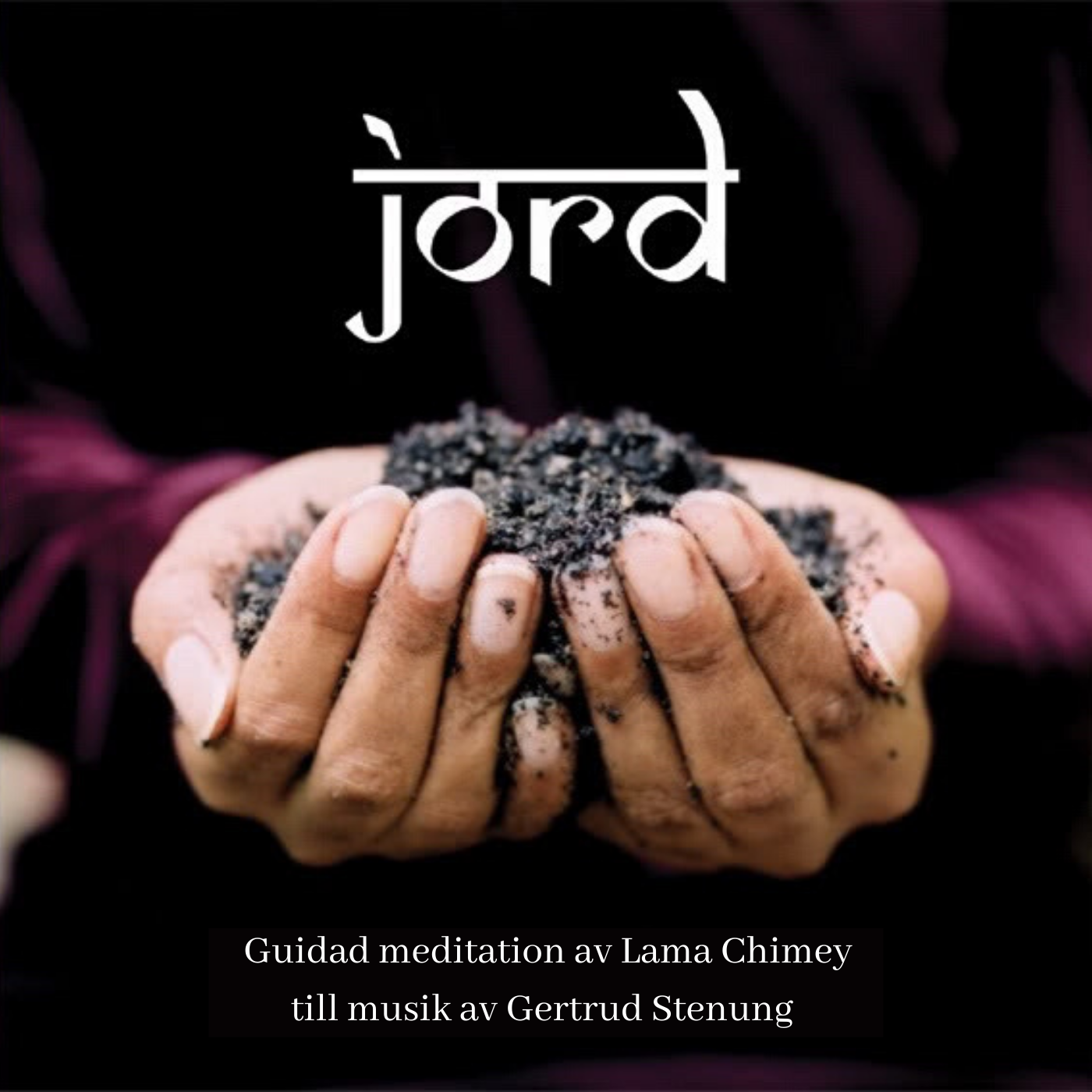
A meditation on this truth inspired my album Jord (Earth), available on all major digital music platforms. Jord includes a journey into the deepest layers of the body, guiding you to a place of surrender, of release, as we travel through the bones and into the earth below. It is accompanied by the music of Gertrud Stenung, who composed for cello, piano, and electronic glass piano—a soundscape tried and loved by many of my students long before this album was recorded. Each note holds a resonance of transformation and return, carrying you along on breath and visualization. (Guided in Swedish.) For those new to this meditation, and who do not understand Swedish, I have also made a simplified live version of the relaxation part from this album; Journey through the Bones, available on my YouTube channel in English.

Do you like what you are reading? Sign up below for more blog posts.

In this way, death is a homecoming, a return to the vastness that has always held us. And in honoring death, we embrace the full spectrum of life, with gratitude for every step and every breath. I dedicate this reflection to two Swedish legends who have recently passed: the groundbreaking director Suzanne Osten and the visionary photographer Elisabeth Ohlson. Their lives, filled with courage and light, serve as a reminder to live fully and creatively, meeting death not as an ending but as a journey into the great unknown.

Hands folded,

Lama Chimey

Get Dharma Blog Posts straight to your device

How to Turn Job Loss Anxiety into a Refreshing Opportunity with Buddhist Wisdom

Embracing New Beginnings

Losing a job can feel deeply unsettling. It can shake our sense of security, self-worth, and direction, leaving us vulnerable and uncertain about the future. The Buddha’s teachings offer us tools to meet this vulnerability with compassion and strength, encouraging us to open up to new possibilities in ways we may never have considered.

Seeing Vulnerability as Strength

It’s natural to feel anxious, even frightened, after a job loss. In Buddhist practice, we’re encouraged not to push away these uncomfortable emotions but to acknowledge them fully, without judgment. Vajrayana Buddhism, in particular, views these moments of raw vulnerability as powerful openings—windows through which we can come to know our true strength. When we allow ourselves to feel this vulnerability, without masking or resisting it, we begin to discover an underlying resilience.

Practice: Visualize yourself as a mountain, strong and stable, unshaken by changing weather. Let this vision remind you that just as the mountain endures, you have a core of strength that remains steady even through life’s shifts.

Do you like what you are reading? Sign up below for more blog posts.

Embracing Impermanence: The Seed of Transformation

One of the core teachings of the Buddha is the reality of impermanence (called anicca, in Pali, the language used in Theravada Buddhism). In Vajrayana Buddhism, we learn to work with impermanence (mitakpa in Tibetan) as a vehicle for transformation. The Buddha taught that everything that comes also goes, everything that lives must die, and everything that is created will crumble. When we lose a job, it’s easy to focus on the pain of what’s been taken from us. But when we view this change through the lens of impermanence, we can see it as part of life’s flow—a natural movement of growth and renewal. This perspective helps us loosen our grip on how things “should” be and instead makes space for how they can be.

Practice: Try a meditation on impermanence. Sit quietly, bringing to mind the idea of change as a wave, constantly ebbing and flowing. With each breath, allow yourself to relax into this rhythm, feeling the freedom that comes from flowing with change.

Do you like what you are reading? Sign up below for more blog posts.

Vajrayana Practices: Turning Pain into Compassionate Energy

In Vajrayana Buddhism, we are encouraged to transform our emotional pain into compassionate energy. Job loss often stirs a whirlwind of emotions: fear, frustration, sadness, even anger. Instead of resisting or suppressing these feelings, Vajrayana offers tools to transform them through visualization and mantra practice.

Practice: Visualize a radiant lotus in your heart area, opening to release any tension or anxiety as dark light. With each exhalation, imagine these feelings transforming into compassion—compassion for yourself and for others who may be going through similar hardships. As you inhale, silently recite the powerful compassion mantra of Buddha Chenrezig: “Om Mani Padme Hum,” allowing it to resonate within.

Do you like what you are reading? Sign up below for more blog posts.

The Power of Community and Connection

While much of Buddhist practice emphasizes inner work, the Buddha also spoke of the importance of community, or sangha. Vajrayana Buddhism highlights that the support of others on the path can be invaluable, particularly in difficult times. Leaning on your network—whether friends, family, or spiritual communities—can bring comfort and strength. Sharing your experience openly, without shame, allows others to support you and reminds you that you are not alone.

Practice: Reach out to a trusted friend, teacher, or group, and share your experiences. Reflect on the value of being present for others who may be navigating their own struggles, even as you go through your own.

Do you like what you are reading? Sign up below for more blog posts.

Seeing Job Loss as an Open Door to New Possibilities

The teachings of the Buddha remind us that each loss can be the beginning of something new. In Vajrayana, we view obstacles as opportunities, transforming challenging situations into pathways for growth. The door to a new role, a fresh perspective, or even an unexplored skill might only become visible now that previous structures have dissolved. When viewed with an open heart, job loss can be seen as a chance to step into a new realm of possibilities.

Practice: Reflect on your skills, passions, and potential paths forward. Visualize yourself in a new role or life situation, embracing the qualities you wish to embody. Imagine each challenge dissolving and opening the way for growth, much like a blossoming lotus.

Do you like what you are reading? Sign up below for more blog posts.

When we apply Buddhist principles, job loss becomes a turning point—a chance to grow, to connect more deeply, and to walk our path with new insight. Embrace the support of your community, honor your vulnerability, and trust that each change brings its own new beginning. As you follow these practices, a clear path forward emerges, leading you back to a sense of purpose, resilience, and ultimately, home within yourself. In this way, you can navigate this transition with courage, compassion, and a deep sense of inner peace.

May you find peace & joy on your path forward,

Yours, Lama Chimey

Get Dharma Blog Posts straight to your device

Unicorn Syndrome and the Buddhist Cure for Talented Outsiders Seeking Connection

As a Buddhist teacher, I often meet individuals—especially women entrepreneurs and talented professionals—who feel like they don’t belong. They’ve heard themselves called “unicorns,” a symbol of their rare and exceptional abilities, yet this label can bring both pride and isolation. The so-called “Unicorn Syndrome” is not simply about being different; it’s about feeling like an outsider in a world that doesn’t always know how to hold space for your brilliance.

Do you like what you are reading? Sign up below for more blog posts.

From a Buddhist perspective, these feelings of isolation and otherness are rooted in our attachment to identity. We define ourselves based on our uniqueness and achievements, which creates a sense of separation. The more we hold on to that identity, the more disconnected we can feel from the world around us. This disconnection, while initially born from a place of pride and ambition, can lead to suffering.

The Illusion of Separation

In Buddhism, one of the core teachings is interconnectedness. Despite how special or different you may feel, you are inherently connected to everything and everyone around you. The uniqueness you carry is not an anomaly, but rather one expression of the vast diversity of life. By seeing yourself as separate, you amplify feelings of loneliness and the pressure to constantly prove your worth. But by embracing interconnectedness, you can allow yourself to exist in a space where you are both extraordinary and part of something larger.

Letting Go of the Need to Prove

Many entrepreneurs and highly talented individuals, especially women, feel the need to continually prove themselves in environments that may undervalue their contributions. This drive often stems from societal conditioning, but it can also come from inner fears of inadequacy. The pressure to always be “the unicorn” can be exhausting.

Do you like what you are reading? Sign up below for more blog posts.

In Buddhism, we learn to let go of the ego’s need for validation. Your value doesn’t come from how others perceive you or how much you stand out. It comes from the compassion, wisdom, and presence you bring into the world. Instead of striving to be seen as different, focus on cultivating these qualities within yourself.

Being a Part of the Whole

The key to overcoming Unicorn Syndrome is recognizing that your differences don’t isolate you, they enrich the whole. By shifting from a mindset of isolation to one of service, you can start to see your gifts as contributions to the greater good. When you feel like an outsider, consider that you’re being called to bring something new and transformative to the world. But this is not a burden—it’s an opportunity.

True fulfillment comes when you release the need to be recognized as different, and instead allow your talents to naturally flow in service to others. Whether in business, art, or leadership, your impact becomes deeper when it’s not driven by ego, but by the intention to benefit others.

The Middle Way for Entrepreneurs

Buddhism teaches the Middle Way—a path of balance. For women in business and the creative world, this means finding a balance between embracing your uniqueness and staying connected to others. It’s about celebrating your talents without being attached to the need for recognition, and about engaging with the world without losing sight of your inner values.

Do you like what you are reading? Sign up below for more blog posts.

You can be both exceptional and part of a community. You can lead from a place of humility rather than ego. And in doing so, you may find that the isolation you once felt transforms into a deeper sense of belonging.

A Path to Connection and Inner Strength

Unicorn Syndrome is a reflection of a deeper spiritual longing—the desire to be seen, valued, and understood. As a Buddhist, I invite you to look beyond the need to define yourself by your uniqueness. Instead, embrace the path of interconnectedness, service, and compassion. In doing so, you may find that your most authentic self is not an outsider, but an integral part of the world you are here to transform.

For those interested in learning more about overcoming feelings of separation and embracing interconnectedness, here are some resources to explore:

Teacher Conversation – Topic: “The Unicorn Syndrome and the Buddhist Cure for Talented Outsiders Seeking Connection,” with me, Lama Chimey and The International Yoga & Health Coach Rebecka Latoś. Watch & Listen here.

Environmental Interdependence and Personal Responsibility
His Holiness is a strong advocate for understanding our interconnectedness with the environment. By seeing ourselves as part of a larger web, both socially and ecologically, individuals can develop a deeper sense of belonging and purpose.

Thich Nhat Hanh’s Teachings on Interbeing
Thich Nhat Hanh’s concept of “interbeing” explores how everything in life is connected. His teachings offer practical advice on how to cultivate mindfulness and compassion, which can help reduce feelings of isolation.

Pema Chödrön on Compassion and Connection
Pema Chödrön, a renowned Buddhist teacher, offers wisdom on how to stay open to others even when we feel vulnerable or disconnected. Her work emphasizes the importance of embracing uncertainty and maintaining an open heart. She was one of the first monastic teachers I practiced under as a Buddhist nun, and her teachings on vulnerability and compassion have had a profound influence on many peoples lifes.

Do you like what you are reading? Sign up below for more blog posts.

Wishing you all the best always.

Love, Lama Chimey

Get Dharma Blog Posts straight to your device

Mindful Leadership:Buddhist Wisdom for Empowered Female Leaders

As women in leadership, you carry a profound responsibility—not just for the goals and outcomes of your organization but also for the well-being of those you lead. In a world where productivity and results often overshadow the human element, it’s easy to lose touch with compassion, wisdom, and balance. Buddhist teachings offer profound insights that can enrich your leadership style, helping you nurture both your team and yourself.

Do you like what you are reading? Sign up below for more blog posts.

1. Lead with Compassion, Not Control

True leadership is not about control, but about service. In Buddhist practice, compassion is at the core of all actions. As a leader, this means recognizing the humanity in each person you work with. Listen actively to your team, not just to solve problems but to truly understand their struggles, needs, and aspirations. By fostering a compassionate environment, you empower others to contribute authentically, which cultivates trust, loyalty, and shared success.

Ask yourself: How can I serve my team today? This simple shift in mindset can transform relationships and create a supportive space where everyone feels valued.

2. Embrace Impermanence in Decision-Making

Leadership requires making tough decisions, often with high stakes. Buddhist wisdom reminds us that everything is impermanent. Situations, challenges, and even people’s emotions shift and change. By embracing this principle, you can approach decision-making with a sense of calm and openness. You don’t have to cling to a specific outcome, but rather, trust the process.

When you release the fear of failure or attachment to a particular result, you’ll find clarity in the moment, allowing you to respond to challenges with wisdom instead of reactivity. Remember, each situation is temporary. Ground yourself in this understanding, and move forward with equanimity.

Do you like what you are reading? Sign up below for more blog posts.

3. Practice Mindfulness in Leadership

Leadership often feels like a constant juggling act, managing tasks, people, and expectations. Buddhist teachings on Sati, often translated as mindfulness, go deeper than mere attention. Sati refers to “remembering now,” or what I call original mindfulness—the capacity to stay fully present with what is happening in this very moment without letting the mind wander into the future or past. In essence, mindfulness is about remembering to return to the present again and again, even as distractions arise and keep your focus.

As a leader, cultivating Sati helps you stay grounded and responsive rather than reactive. Before responding to an email or engaging in a challenging conversation, pause. Take a breath and remember to be present with your thoughts, feelings, and the situation at hand. This kind of mindfulness allows you to make clearer, more thoughtful decisions, and it invites others around you to act with greater awareness as well. Leading from this place of presence not only enhances your decision-making but also creates an environment of calm and focus for your team, where everyone feels heard and valued.

By embodying Sati—remembering the present moment—you strengthen your ability to lead with wisdom, balance, and an open heart.

4. Cultivate Patience with Yourself and Others

As leaders, we are often hardest on ourselves, setting high expectations and striving for perfection. Buddhist teachings on the paramita (perfection) of patience—known as Kshanti—guide us to cultivate a heart of forbearance and tolerance in all circumstances. Patience is not just passive endurance but an antidote to anger and frustration, qualities that can easily surface in leadership. By practicing patience, we create space for wisdom to arise, allowing us to respond skillfully rather than react impulsively to challenges.

Do you like what you are reading? Sign up below for more blog posts.

Patience also applies to how we relate to others. Instead of pushing for immediate results, allow your team the time and support they need to develop. This practice ties into the first of the Five Lay Buddhist Vows, which is to abstain from harming others (ahimsa). In leadership, this means using your influence to foster growth rather than inflict harm through impatience or frustration.

When you approach both yourself and your team with this compassionate patience, you not only encourage growth but create a culture where people feel safe to take risks and learn from their mistakes without fear of judgment.

5. Lead by Example: Embody Your Values

In Buddhism, living authentically means aligning your values with your actions. As a leader, this principle is key to building credibility and trust. Your team will look to you not just for guidance but for inspiration. By embodying the values you wish to see in your organization—whether it’s integrity, respect, or collaboration—you set the tone for others to follow.

Ask yourself: Am I walking the path I want others to follow? Through your actions, you can inspire and motivate those around you to lead with the same dedication and purpose.

Do you like what you are reading? Sign up below for more blog posts.


As a female leader, your presence is powerful. By integrating these principles of compassion, mindfulness, and wisdom, you can create a leadership style that not only achieves results but also fosters a deeper connection with your team. You are more than capable of leading with both strength and kindness. In doing so, you contribute not only to the success of your organization but to the well-being and growth of everyone around you—including yourself.

With warmest blessings on your path, Lama Chimey

Get Dharma Blog Posts straight to your device

Passing on the Sacred Teachings of Ngondro: A Vajrayana Treasure for Deep Spiritual Transformation

Ngondro is often seen as an intense and demanding practice within Vajrayana Buddhism, yet it is truly a transformative journey that reshapes the mind and heart. For those unfamiliar, Ngondro consists of foundational practices that purify the mind, accumulate merit, and strengthen our commitment to the path. These practices may seem daunting, but they are a profound treasure designed to prepare us for deeper realization.

I’ve had the privilege of completing this rigorous training twice, guided by the wisdom and kindness of extraordinary masters I’ve had the fortune to meet. Their teachings have shown me that Ngondro is not just about following tradition, but about discovering our true nature and cultivating the compassion and wisdom that lies within us all.

Do you like what you are reading? Sign up below for more blog posts.

Ngondro is a practice of four essential elements, commonly referred to as the “400,000,” that invite us to transform our mind and heart at a deep level. The first part is the prostrations—sometimes humorously referred to as the “100,000 frustrations”—where we take refuge in the Three Jewels: the Buddha, Dharma, and Sangha. This act of physical devotion helps us break through pride and ego, connecting us more fully to the path.

The second practice is Vajrasattva purification, where we work with the powerful mantra of Vajrasattva to cleanse our negative karma and obscurations. It is a healing practice, one that brings a sense of lightness and clarity as we purify layers of habitual patterns and emotional baggage.

Next is the beautiful Mandala offering, a practice of generosity and letting go. By visualizing the entire universe as an offering to the Buddhas and bodhisattvas, we learn to release our attachment to material things and develop a heart of giving. It’s a profound practice that opens us to the boundless richness of true generosity.

Finally, there is Guru Yoga, where we merge our mind with the enlightened mind of our teacher, dissolving into the nature of pure awareness. This final step in Ngondro connects us directly to the blessings of the lineage, anchoring us in devotion and realization.

Each part of Ngondro plays a vital role in transforming our mind, clearing obstacles, and deepening our connection to the path. Together, these practices form a powerful foundation for awakening.

Do you like what you are reading? Sign up below for more blog posts.

This weekend, I am honored to share this sacred practice in southern Sweden, at the request of dedicated dharma students. It feels incredible to pass on this treasure, knowing the profound impact it has had on my own life and the lives of so many practitioners.

Ngondro isn’t just a preparation—it’s a path in and of itself. It connects us with the lineage of awakened masters, giving us the tools to clear obstacles and deepen our understanding of the nature of reality. For anyone willing to take on the challenge, the rewards are beyond measure. It’s not always easy, but the path of Ngondro is transformative, offering us a direct experience of the teachings that can truly change our lives.

Do you like what you are reading? Sign up below for more blog posts.

I’m excited to share this journey with those who are ready to engage deeply with their practice and explore the richness of the Vajrayana tradition. It is a joy to be able to transmit these teachings, and I look forward to practicing alongside the sincere hearts of those who will join this weekend.

May all beings benefit.

Lama Chimey

Get Dharma Blog Posts straight to your device

Who are the Sky Dancers? And how can we Embody Sky Dancer Spirit?

Sky Dancers are not simply mystical beings floating in the heavens. They are energetic forces, expressions of the natural elements as wisdom and clarity that cut through our illusions and help us awaken to our true nature. The feminine energy of a Sky Dancer is fierce, compassionate, and untamed. Often depicted as female, she transcends societal roles, neither meek nor submissive. Instead, she embodies a wild, free spirit—one that sees the world with clarity, insight, and courage.

Do you like what you are reading? Sign up below for more blog posts.

This energy is available to all of us, regardless of gender. It represents the qualities of spontaneity, intuition, and emotional wisdom, which we often overlook in our fast-paced, logic-driven lives. The Sky Dancer reminds us to reclaim those parts of ourselves that are fluid, adaptable, and open to change.

Yeshe Tsogyal: The Great Sky Dancer

Yeshe Tsogyal, often referred to as the “Mother of Tibetan Buddhism,” was a powerful spiritual leader and the main consort of Guru Rinpoche (Padmasambhava). She was more than just a disciple or a companion—she was an enlightened being in her own right. Through her life’s trials, she showed us that spiritual growth requires both softness and strength. In my song Padmasambhava, I explore the deep connection between Yeshe Tsogyal and Guru Rinpoche in the emotional expression of the music.

Born into nobility, Yeshe Tsogyal chose the path of spiritual devotion over a life of royalty. Her journey was anything but easy—she faced physical hardships and societal pressures, yet remained unwavering in her commitment to the Dharma. Through her perseverance and deep inner work, she attained full enlightenment.

Do you like what you are reading? Sign up below for more blog posts.

What makes Yeshe Tsogyal’s story so relatable is the path she chose—a path that, for many of us, would be intimidating, even frightening. Leaving behind the security of a royal life for a spiritual journey full of unknowns could fill anyone with doubt, fear, and uncertainty. While we may feel overwhelmed by these emotions when faced with such life-altering choices, Yeshe Tsogyal, as a highly developed being, was beyond them. She moved forward with unwavering clarity and used every challenge as a catalyst for spiritual transformation. Her life reminds us that while fear and doubt are natural for us, they don’t have to hold us back. Instead, we can transform them into opportunities for growth and inner strength.

Our Inherent Feminine Qualities

The Sky Dancers and Yeshe Tsogyal encourage us to connect with the feminine qualities that we all possess—qualities like intuition, compassion, and inner strength. In a world that often values logic, control, and assertiveness, these softer traits can be overlooked or undervalued. But it’s in this delicate balance of both energies where true wisdom lies.

Do you like what you are reading? Sign up below for more blog posts.

The Sky Dancer awakens within us the ability to navigate uncertainty with grace, encouraging us to trust our intuition and let go of rigid expectations. She teaches that true wisdom is not just intellectual—it comes from the union of heart and mind, refined through personal experience and spiritual practice, as emphasized in the Vajrayana tradition. By embracing these feminine qualities—fluidity, openness, and deep inner knowing—we cultivate balance and wholeness. This allows us to face life’s challenges with both strength and clarity, and to move through them with greater ease and insight.

How to Embody Sky Dancer Spirit

In today’s dominantly patriarchal world, it’s easy to lose touch with our inner feminine wisdom. Whether we’re rushing from task to task or weighed down by societal expectations, we often forget that we have everything we need within us to navigate life’s ups and downs.

Here are a few ways we can reconnect with the energy of the Sky Dancer:

  1. Trust Your Intuition: We often second-guess ourselves, seeking external approval. Cultivate trust in your inner voice, even when it defies logic. This is where your deepest wisdom resides.
  2. Embrace Change: Sky Dancers embody the truth of impermanence. Life is always shifting and evolving. Rather than resisting change, see it as an opportunity for growth and transformation.
  3. Fierce Compassion: Compassion doesn’t always mean being gentle. Sometimes, it requires setting firm boundaries, speaking your truth, or standing up for others—even when it’s challenging. The Sky Dancer reminds us that true compassion can be both fierce and tender.
  4. Meditate on Yeshe Tsogyal’s Journey: During your meditation practice, invite the energy of Yeshe Tsogyal into your awareness. Reflect on her life and the way she transformed obstacles into enlightenment. What in your life can be used as fuel for your own spiritual growth?

Closing Thoughts for Todays Friday Blog Post

Yeshe Tsogyal’s story is a reminder that the spiritual path is both personal and universal. We each have the capacity for awakening, no matter the challenges we face. The energy of the Sky Dancer, whether we call her Dakini or Khandro, gives us the wisdom and courage to navigate this path with authenticity, grace, and fearlessness.

By connecting with these feminine qualities, we can embrace our whole selves—not just the parts that are easy or fit neatly into society’s expectations, but also the wild, intuitive, and powerful aspects that make us truly complete.

Do you like what you are reading? Sign up below for more blog posts.

May the wisdom of Yeshe Tsogyal and the Sky Dancers inspire you to trust in your own inner strength, and may you always remember the transformative power that lies within you.

/ Lama Chimey

Get Dharma Blog Posts straight to your device