Consider this quiet guest, woven into the fabric of all life yet rarely welcomed: death. In Western culture, death is often a taboo, a shadow to be avoided until it stands inescapably before us. But in the Buddhist tradition, death is a teacher and a silent companion, walking beside us from the first breath we take.
Buddhism does not turn away from death; it brings us closer to it. In doing so, it liberates us from illusion, grounding us in the raw truth of impermanence. By reflecting on death, we peel back what is false to reveal life’s transient beauty. Seen this way, death is not an end but a moment of transition—like dawn folding into day or autumn leaves dissolving into the earth.
Do you like what you are reading? Sign up below for more blog posts.
In meditation, we sometimes imagine our own death—not to instill fear, but to deepen wisdom. We envision our bodies aging, our minds softening, and then the breath leaving, a single, last sigh. We touch a vast silence here, recognizing that the body, born of earth, must return to it. The mind, like a river, flows on. (Sinnes-strömmen, as I call it in Swedish) Consciousness, freed from form, drifts without grasping—clouds scattering after a storm.
Our lives unfold in brief, unpredictable currents, and contemplating death dissolves the illusion of permanence. Imagine living each day with this understanding—not as a heavy burden, but as a liberation from trivial worries and momentary conflicts. Embracing death does not diminish our love for life; it enhances it. We learn to move gently, knowing each touch, each smile, and each heartbreak is as transient as a passing breeze.
Death, too, is a call to love. It teaches us to hold our loved ones close, knowing they will someday fade like the last light of evening. It urges us to offer kindness, knowing that we all walk toward the same unknown. When we hold death in our awareness, life becomes more vivid. Colors deepen, and our hearts, no longer bound by the illusion of endless time, soften. For those who wish to honor this journey with intention, I offer a 49th Day Memorial Service—a sacred ceremony held traditionally 49 days after a loved one’s passing, though it may be performed at any later time of choice. This service brings family and friends together to create an auspicious ending for the deceased, whether human or animal, as they transition toward their next existence. The service includes a preparatory meeting, ritual preparations, accessories, and the ceremony itself, allowing us to remember and send our loved ones onward with the kindness and warmth they held in life.
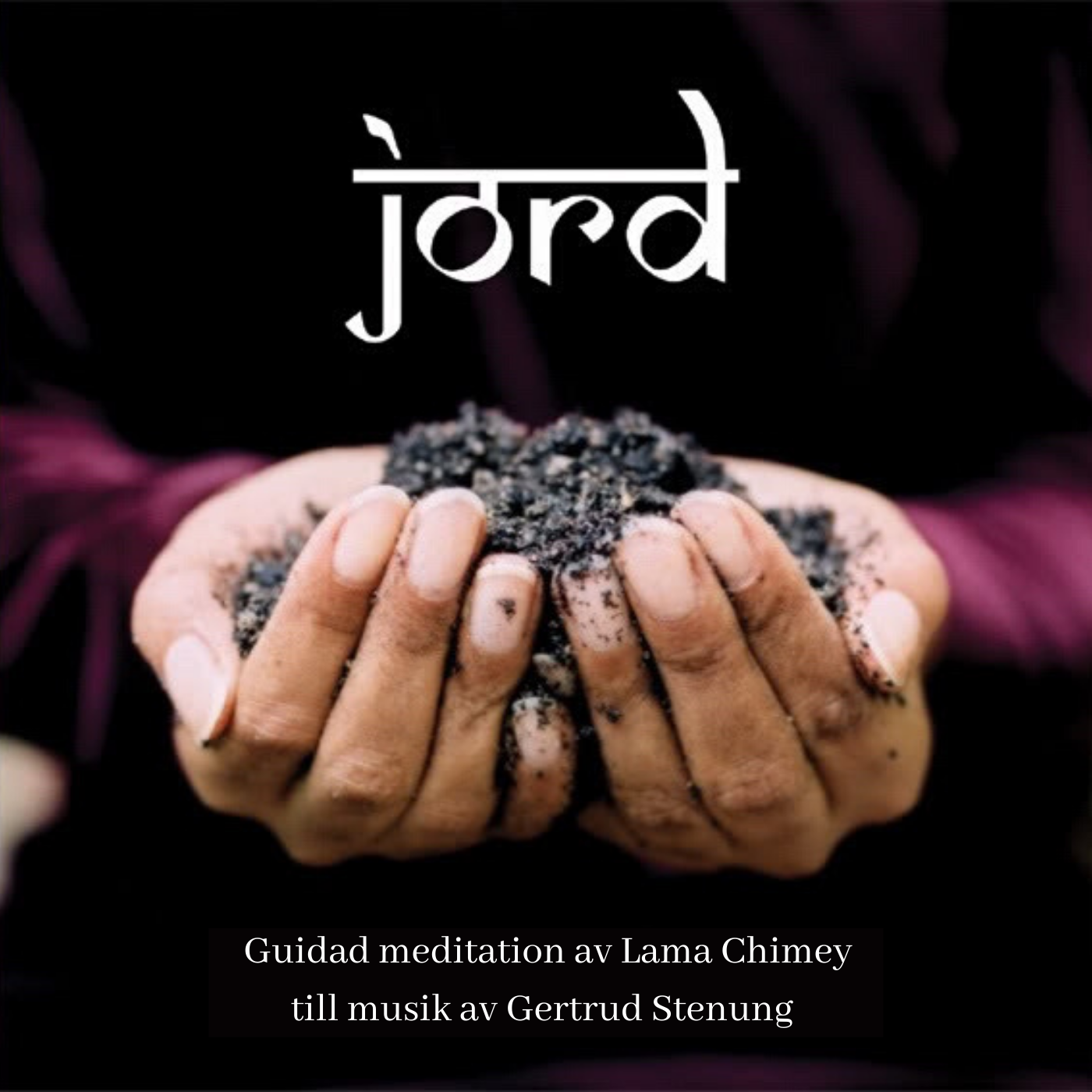
A meditation on this truth inspired my album Jord (Earth), available on all major digital music platforms. Jord includes a journey into the deepest layers of the body, guiding you to a place of surrender, of release, as we travel through the bones and into the earth below. It is accompanied bythe music of Gertrud Stenung, who composed for cello, piano, and electronic glass piano—a soundscape tried and loved by many of my students long before this album was recorded. Each note holds a resonance of transformation and return, carrying you along on breath and visualization. (Guided in Swedish.) For those new to this meditation, and who do not understand Swedish, I have also made a simplified live version of the relaxation part from this album;Journey through the Bones, available on my YouTube channel in English.
Do you like what you are reading? Sign up below for more blog posts.
In this way, death is a homecoming, a return to the vastness that has always held us. And in honoring death, we embrace the full spectrum of life, with gratitude for every step and every breath. I dedicate this reflection to two Swedish legends who have recently passed: the groundbreaking director Suzanne Osten and the visionary photographer Elisabeth Ohlson. Their lives, filled with courage and light, serve as a reminder to live fully and creatively, meeting death not as an ending but as a journey into the great unknown.
Losing a job can feel deeply unsettling. It can shake our sense of security, self-worth, and direction, leaving us vulnerable and uncertain about the future. The Buddha’s teachings offer us tools to meet this vulnerability with compassion and strength, encouraging us to open up to new possibilities in ways we may never have considered.
Seeing Vulnerability as Strength
It’s natural to feel anxious, even frightened, after a job loss. In Buddhist practice, we’re encouraged not to push away these uncomfortable emotions but to acknowledge them fully, without judgment. Vajrayana Buddhism, in particular, views these moments of raw vulnerability as powerful openings—windows through which we can come to know our true strength. When we allow ourselves to feel this vulnerability, without masking or resisting it, we begin to discover an underlying resilience.
Practice: Visualize yourself as a mountain, strong and stable, unshaken by changing weather. Let this vision remind you that just as the mountain endures, you have a core of strength that remains steady even through life’s shifts.
Do you like what you are reading? Sign up below for more blog posts.
Embracing Impermanence: The Seed of Transformation
One of the core teachings of the Buddha is the reality of impermanence (called anicca, in Pali, the language used in Theravada Buddhism). In Vajrayana Buddhism, we learn to work with impermanence (mitakpa in Tibetan) as a vehicle for transformation. The Buddha taught that everything that comes also goes, everything that lives must die, and everything that is created will crumble. When we lose a job, it’s easy to focus on the pain of what’s been taken from us. But when we view this change through the lens of impermanence, we can see it as part of life’s flow—a natural movement of growth and renewal. This perspective helps us loosen our grip on how things “should” be and instead makes space for how they can be.
Practice: Try a meditation on impermanence. Sit quietly, bringing to mind the idea of change as a wave, constantly ebbing and flowing. With each breath, allow yourself to relax into this rhythm, feeling the freedom that comes from flowing with change.
Do you like what you are reading? Sign up below for more blog posts.
Vajrayana Practices: Turning Pain into Compassionate Energy
In Vajrayana Buddhism, we are encouraged to transform our emotional pain into compassionate energy. Job loss often stirs a whirlwind of emotions: fear, frustration, sadness, even anger. Instead of resisting or suppressing these feelings, Vajrayana offers tools to transform them through visualization and mantra practice.
Practice: Visualize a radiant lotus in your heart area, opening to release any tension or anxiety as dark light. With each exhalation, imagine these feelings transforming into compassion—compassion for yourself and for others who may be going through similar hardships. As you inhale, silently recite the powerful compassion mantra of Buddha Chenrezig: “Om Mani Padme Hum,” allowing it to resonate within.
Do you like what you are reading? Sign up below for more blog posts.
The Power of Community and Connection
While much of Buddhist practice emphasizes inner work, the Buddha also spoke of the importance of community, or sangha. Vajrayana Buddhism highlights that the support of others on the path can be invaluable, particularly in difficult times. Leaning on your network—whether friends, family, or spiritual communities—can bring comfort and strength. Sharing your experience openly, without shame, allows others to support you and reminds you that you are not alone.
Practice: Reach out to a trusted friend, teacher, or group, and share your experiences. Reflect on the value of being present for others who may be navigating their own struggles, even as you go through your own.
Do you like what you are reading? Sign up below for more blog posts.
Seeing Job Loss as an Open Door to New Possibilities
The teachings of the Buddha remind us that each loss can be the beginning of something new. In Vajrayana, we view obstacles as opportunities, transforming challenging situations into pathways for growth. The door to a new role, a fresh perspective, or even an unexplored skill might only become visible now that previous structures have dissolved. When viewed with an open heart, job loss can be seen as a chance to step into a new realm of possibilities.
Practice: Reflect on your skills, passions, and potential paths forward. Visualize yourself in a new role or life situation, embracing the qualities you wish to embody. Imagine each challenge dissolving and opening the way for growth, much like a blossoming lotus.
Do you like what you are reading? Sign up below for more blog posts.
When we apply Buddhist principles, job loss becomes a turning point—a chance to grow, to connect more deeply, and to walk our path with new insight. Embrace the support of your community, honor your vulnerability, and trust that each change brings its own new beginning. As you follow these practices, a clear path forward emerges, leading you back to a sense of purpose, resilience, and ultimately, home within yourself. In this way, you can navigate this transition with courage, compassion, and a deep sense of inner peace.
As a Buddhist teacher, I often meet individuals—especially women entrepreneurs and talented professionals—who feel like they don’t belong. They’ve heard themselves called “unicorns,” a symbol of their rare and exceptional abilities, yet this label can bring both pride and isolation. The so-called “Unicorn Syndrome” is not simply about being different; it’s about feeling like an outsider in a world that doesn’t always know how to hold space for your brilliance.
Do you like what you are reading? Sign up below for more blog posts.
From a Buddhist perspective, these feelings of isolation and otherness are rooted in our attachment to identity. We define ourselves based on our uniqueness and achievements, which creates a sense of separation. The more we hold on to that identity, the more disconnected we can feel from the world around us. This disconnection, while initially born from a place of pride and ambition, can lead to suffering.
The Illusion of Separation
In Buddhism, one of the core teachings is interconnectedness. Despite how special or different you may feel, you are inherently connected to everything and everyone around you. The uniqueness you carry is not an anomaly, but rather one expression of the vast diversity of life. By seeing yourself as separate, you amplify feelings of loneliness and the pressure to constantly prove your worth. But by embracing interconnectedness, you can allow yourself to exist in a space where you are both extraordinary and part of something larger.
Letting Go of the Need to Prove
Many entrepreneurs and highly talented individuals, especially women, feel the need to continually prove themselves in environments that may undervalue their contributions. This drive often stems from societal conditioning, but it can also come from inner fears of inadequacy. The pressure to always be “the unicorn” can be exhausting.
Do you like what you are reading? Sign up below for more blog posts.
In Buddhism, we learn to let go of the ego’s need for validation. Your value doesn’t come from how others perceive you or how much you stand out. It comes from the compassion, wisdom, and presence you bring into the world. Instead of striving to be seen as different, focus on cultivating these qualities within yourself.
Being a Part of the Whole
The key to overcoming Unicorn Syndrome is recognizing that your differences don’t isolate you, they enrich the whole. By shifting from a mindset of isolation to one of service, you can start to see your gifts as contributions to the greater good. When you feel like an outsider, consider that you’re being called to bring something new and transformative to the world. But this is not a burden—it’s an opportunity.
True fulfillment comes when you release the need to be recognized as different, and instead allow your talents to naturally flow in service to others. Whether in business, art, or leadership, your impact becomes deeper when it’s not driven by ego, but by the intention to benefit others.
The Middle Way for Entrepreneurs
Buddhism teaches the Middle Way—a path of balance. For women in business and the creative world, this means finding a balance between embracing your uniqueness and staying connected to others. It’s about celebrating your talents without being attached to the need for recognition, and about engaging with the world without losing sight of your inner values.
Do you like what you are reading? Sign up below for more blog posts.
You can be both exceptional and part of a community. You can lead from a place of humility rather than ego. And in doing so, you may find that the isolation you once felt transforms into a deeper sense of belonging.
A Path to Connection and Inner Strength
Unicorn Syndrome is a reflection of a deeper spiritual longing—the desire to be seen, valued, and understood. As a Buddhist, I invite you to look beyond the need to define yourself by your uniqueness. Instead, embrace the path of interconnectedness, service, and compassion. In doing so, you may find that your most authentic self is not an outsider, but an integral part of the world you are here to transform.
For those interested in learning more about overcoming feelings of separation and embracing interconnectedness, here are some resources to explore:
Teacher Conversation – Topic: “The Unicorn Syndrome and the Buddhist Cure for Talented Outsiders Seeking Connection,” with me, Lama Chimey and The International Yoga & Health Coach Rebecka Latoś. Watch & Listen here.
Environmental Interdependence and Personal Responsibility His Holiness is a strong advocate for understanding our interconnectedness with the environment. By seeing ourselves as part of a larger web, both socially and ecologically, individuals can develop a deeper sense of belonging and purpose.
Book recommendation: Interconnected: Embracing Life in Our Global Society by Ogyen Trinley Dorje
Thich Nhat Hanh’s Teachings on Interbeing Thich Nhat Hanh’s concept of “interbeing” explores how everything in life is connected. His teachings offer practical advice on how to cultivate mindfulness and compassion, which can help reduce feelings of isolation.
Pema Chödrön on Compassion and Connection Pema Chödrön, a renowned Buddhist teacher, offers wisdom on how to stay open to others even when we feel vulnerable or disconnected. Her work emphasizes the importance of embracing uncertainty and maintaining an open heart. She was one of the first monastic teachers I practiced under as a Buddhist nun, and her teachings on vulnerability and compassion have had a profound influence on many peoples lifes.
As women in leadership, you carry a profound responsibility—not just for the goals and outcomes of your organization but also for the well-being of those you lead. In a world where productivity and results often overshadow the human element, it’s easy to lose touch with compassion, wisdom, and balance. Buddhist teachings offer profound insights that can enrich your leadership style, helping you nurture both your team and yourself.
Do you like what you are reading? Sign up below for more blog posts.
1. Lead with Compassion, Not Control
True leadership is not about control, but about service. In Buddhist practice, compassion is at the core of all actions. As a leader, this means recognizing the humanity in each person you work with. Listen actively to your team, not just to solve problems but to truly understand their struggles, needs, and aspirations. By fostering a compassionate environment, you empower others to contribute authentically, which cultivates trust, loyalty, and shared success.
Ask yourself: How can I serve my team today? This simple shift in mindset can transform relationships and create a supportive space where everyone feels valued.
2. Embrace Impermanence in Decision-Making
Leadership requires making tough decisions, often with high stakes. Buddhist wisdom reminds us that everything is impermanent. Situations, challenges, and even people’s emotions shift and change. By embracing this principle, you can approach decision-making with a sense of calm and openness. You don’t have to cling to a specific outcome, but rather, trust the process.
When you release the fear of failure or attachment to a particular result, you’ll find clarity in the moment, allowing you to respond to challenges with wisdom instead of reactivity. Remember, each situation is temporary. Ground yourself in this understanding, and move forward with equanimity.
Do you like what you are reading? Sign up below for more blog posts.
3. Practice Mindfulness in Leadership
Leadership often feels like a constant juggling act, managing tasks, people, and expectations. Buddhist teachings onSati, often translated as mindfulness, go deeper than mere attention. Sati refers to “remembering now,” or what I call original mindfulness—the capacity to stay fully present with what is happening in this very moment without letting the mind wander into the future or past. In essence, mindfulness is about remembering to return to the present again and again, even as distractions arise and keep your focus.
As a leader, cultivating Sati helps you stay grounded and responsive rather than reactive. Before responding to an email or engaging in a challenging conversation, pause. Take a breath and remember to be present with your thoughts, feelings, and the situation at hand. This kind of mindfulness allows you to make clearer, more thoughtful decisions, and it invites others around you to act with greater awareness as well. Leading from this place of presence not only enhances your decision-making but also creates an environment of calm and focus for your team, where everyone feels heard and valued.
By embodying Sati—remembering the present moment—you strengthen your ability to lead with wisdom, balance, and an open heart.
4. Cultivate Patience with Yourself and Others
As leaders, we are often hardest on ourselves, setting high expectations and striving for perfection. Buddhist teachings on the paramita (perfection) of patience—known as Kshanti—guide us to cultivate a heart of forbearance and tolerance in all circumstances. Patience is not just passive endurance but an antidote to anger and frustration, qualities that can easily surface in leadership. By practicing patience, we create space for wisdom to arise, allowing us to respond skillfully rather than react impulsively to challenges.
Do you like what you are reading? Sign up below for more blog posts.
Patience also applies to how we relate to others. Instead of pushing for immediate results, allow your team the time and support they need to develop. This practice ties into the first of the Five Lay Buddhist Vows, which is to abstain from harming others (ahimsa). In leadership, this means using your influence to foster growth rather than inflict harm through impatience or frustration.
When you approach both yourself and your team with this compassionate patience, you not only encourage growth but create a culture where people feel safe to take risks and learn from their mistakes without fear of judgment.
5. Lead by Example: Embody Your Values
In Buddhism, living authentically means aligning your values with your actions. As a leader, this principle is key to building credibility and trust. Your team will look to you not just for guidance but for inspiration. By embodying the values you wish to see in your organization—whether it’s integrity, respect, or collaboration—you set the tone for others to follow.
Ask yourself: Am I walking the path I want others to follow? Through your actions, you can inspire and motivate those around you to lead with the same dedication and purpose.
Do you like what you are reading? Sign up below for more blog posts.
As a female leader, your presence is powerful. By integrating these principles of compassion, mindfulness, and wisdom, you can create a leadership style that not only achieves results but also fosters a deeper connection with your team. You are more than capable of leading with both strength and kindness. In doing so, you contribute not only to the success of your organization but to the well-being and growth of everyone around you—including yourself.
Ngondro is often seen as an intense and demanding practice within Vajrayana Buddhism, yet it is truly a transformative journey that reshapes the mind and heart. For those unfamiliar, Ngondro consists of foundational practices that purify the mind, accumulate merit, and strengthen our commitment to the path. These practices may seem daunting, but they are a profound treasure designed to prepare us for deeper realization.
I’ve had the privilege of completing this rigorous training twice, guided by the wisdom and kindness of extraordinary masters I’ve had the fortune to meet. Their teachings have shown me that Ngondro is not just about following tradition, but about discovering our true nature and cultivating the compassion and wisdom that lies within us all.
Do you like what you are reading? Sign up below for more blog posts.
Ngondro is a practice of four essential elements, commonly referred to as the “400,000,” that invite us to transform our mind and heart at a deep level. The first part is the prostrations—sometimes humorously referred to as the “100,000 frustrations”—where we take refuge in the Three Jewels: the Buddha, Dharma, and Sangha. This act of physical devotion helps us break through pride and ego, connecting us more fully to the path.
The second practice is Vajrasattva purification, where we work with the powerful mantra of Vajrasattva to cleanse our negative karma and obscurations. It is a healing practice, one that brings a sense of lightness and clarity as we purify layers of habitual patterns and emotional baggage.
Next is the beautiful Mandala offering, a practice of generosity and letting go. By visualizing the entire universe as an offering to the Buddhas and bodhisattvas, we learn to release our attachment to material things and develop a heart of giving. It’s a profound practice that opens us to the boundless richness of true generosity.
Finally, there is Guru Yoga, where we merge our mind with the enlightened mind of our teacher, dissolving into the nature of pure awareness. This final step in Ngondro connects us directly to the blessings of the lineage, anchoring us in devotion and realization.
Each part of Ngondro plays a vital role in transforming our mind, clearing obstacles, and deepening our connection to the path. Together, these practices form a powerful foundation for awakening.
Do you like what you are reading? Sign up below for more blog posts.
Ngondro isn’t just a preparation—it’s a path in and of itself. It connects us with the lineage of awakened masters, giving us the tools to clear obstacles and deepen our understanding of the nature of reality. For anyone willing to take on the challenge, the rewards are beyond measure. It’s not always easy, but the path of Ngondro is transformative, offering us a direct experience of the teachings that can truly change our lives.
Do you like what you are reading? Sign up below for more blog posts.
I’m excited to share this journey with those who are ready to engage deeply with their practice and explore the richness of the Vajrayana tradition. It is a joy to be able to transmit these teachings, and I look forward to practicing alongside the sincere hearts of those who will join this weekend.
Sky Dancers are not simply mystical beings floating in the heavens. They are energetic forces, expressions of the natural elements as wisdom and clarity that cut through our illusions and help us awaken to our true nature. The feminine energy of a Sky Dancer is fierce, compassionate, and untamed. Often depicted as female, she transcends societal roles, neither meek nor submissive. Instead, she embodies a wild, free spirit—one that sees the world with clarity, insight, and courage.
Do you like what you are reading? Sign up below for more blog posts.
This energy is available to all of us, regardless of gender. It represents the qualities of spontaneity, intuition, and emotional wisdom, which we often overlook in our fast-paced, logic-driven lives. The Sky Dancer reminds us to reclaim those parts of ourselves that are fluid, adaptable, and open to change.
Yeshe Tsogyal: The Great Sky Dancer
Yeshe Tsogyal, often referred to as the “Mother of Tibetan Buddhism,” was a powerful spiritual leader and the main consort of Guru Rinpoche (Padmasambhava). She was more than just a disciple or a companion—she was an enlightened being in her own right. Through her life’s trials, she showed us that spiritual growth requires both softness and strength. In my song Padmasambhava, I explore the deep connection between Yeshe Tsogyal and Guru Rinpoche in the emotional expression of the music.
Born into nobility, Yeshe Tsogyal chose the path of spiritual devotion over a life of royalty. Her journey was anything but easy—she faced physical hardships and societal pressures, yet remained unwavering in her commitment to the Dharma. Through her perseverance and deep inner work, she attained full enlightenment.
Do you like what you are reading? Sign up below for more blog posts.
What makes Yeshe Tsogyal’s story so relatable is the path she chose—a path that, for many of us, would be intimidating, even frightening. Leaving behind the security of a royal life for a spiritual journey full of unknowns could fill anyone with doubt, fear, and uncertainty. While we may feel overwhelmed by these emotions when faced with such life-altering choices, Yeshe Tsogyal, as a highly developed being, was beyond them. She moved forward with unwavering clarity and used every challenge as a catalyst for spiritual transformation. Her life reminds us that while fear and doubt are natural for us, they don’t have to hold us back. Instead, we can transform them into opportunities for growth and inner strength.
Our Inherent Feminine Qualities
The Sky Dancers and Yeshe Tsogyal encourage us to connect with the feminine qualities that we all possess—qualities like intuition, compassion, and inner strength. In a world that often values logic, control, and assertiveness, these softer traits can be overlooked or undervalued. But it’s in this delicate balance of both energies where true wisdom lies.
Do you like what you are reading? Sign up below for more blog posts.
The Sky Dancer awakens within us the ability to navigate uncertainty with grace, encouraging us to trust our intuition and let go of rigid expectations. She teaches that true wisdom is not just intellectual—it comes from the union of heart and mind, refined through personal experience and spiritual practice, as emphasized in the Vajrayana tradition. By embracing these feminine qualities—fluidity, openness, and deep inner knowing—we cultivate balance and wholeness. This allows us to face life’s challenges with both strength and clarity, and to move through them with greater ease and insight.
How to Embody Sky Dancer Spirit
In today’s dominantly patriarchal world, it’s easy to lose touch with our inner feminine wisdom. Whether we’re rushing from task to task or weighed down by societal expectations, we often forget that we have everything we need within us to navigate life’s ups and downs.
Here are a few ways we can reconnect with the energy of the Sky Dancer:
Trust Your Intuition: We often second-guess ourselves, seeking external approval. Cultivate trust in your inner voice, even when it defies logic. This is where your deepest wisdom resides.
Embrace Change: Sky Dancers embody the truth of impermanence. Life is always shifting and evolving. Rather than resisting change, see it as an opportunity for growth and transformation.
Fierce Compassion: Compassion doesn’t always mean being gentle. Sometimes, it requires setting firm boundaries, speaking your truth, or standing up for others—even when it’s challenging. The Sky Dancer reminds us that true compassion can be both fierce and tender.
Meditate on Yeshe Tsogyal’s Journey: During your meditation practice, invite the energy of Yeshe Tsogyal into your awareness. Reflect on her life and the way she transformed obstacles into enlightenment. What in your life can be used as fuel for your own spiritual growth?
Closing Thoughts for Todays Friday Blog Post
Yeshe Tsogyal’s story is a reminder that the spiritual path is both personal and universal. We each have the capacity for awakening, no matter the challenges we face. The energy of the Sky Dancer, whether we call her Dakini or Khandro, gives us the wisdom and courage to navigate this path with authenticity, grace, and fearlessness.
By connecting with these feminine qualities, we can embrace our whole selves—not just the parts that are easy or fit neatly into society’s expectations, but also the wild, intuitive, and powerful aspects that make us truly complete.
Do you like what you are reading? Sign up below for more blog posts.
May the wisdom of Yeshe Tsogyal and the Sky Dancers inspire you to trust in your own inner strength, and may you always remember the transformative power that lies within you.
Dear Organizational Leader, I write to you not only as someone who has walked the path of Buddhist practice but as a fellow human being who understands the complexity of life, work, and leadership. My journey has been an unconventional one: I spent 12 years as an ordained Buddhist nun in the Himalayas, diving deeply into meditation, solitude, and inner transformation. Now, as a Lama, certified wedding officiate, and teacher of the Triyana™ Meditation system, I find myself back in the world of interconnectedness—helping others access the same inner resources that have sustained me through both challenges and opportunities.
Do you like what you are reading? Sign up below for more blog posts.
In my experience, the demands of leadership—whether in business, education, or any other field—mirror the demands of spiritual practice. You must balance conflicting interests, guide others, and maintain a vision while keeping a steady, compassionate heart. Meditation is not just a tool for relaxation; it is a practice that strengthens your capacity to lead with clarity, empathy, and purpose.
During my three-and-a-half-year retreat in complete seclusion, where I trained as a Lama, I came to stabalize my realization that true leadership is about surrendering to a deeper wisdom. and harnessing the power of stillness to gain clarity, act with skill, and respond from a place of inner strength rather than reactivity.
Leadership Begins Within
Too often, leaders are caught in the whirlwind of external demands—deadlines, crises, decisions—and in the process, they lose touch with their inner compass. Meditation, when practiced regularly, reconnects you with that inner space where intuition, creativity, and resilience reside. From this space, you can make decisions not from a place of stress or urgency, but from calm discernment.
Do you like what you are reading? Sign up below for more blog posts.
One of my students shared, “The way Lama Chimey shares her deep knowledge has enabled me better to understand the traditional techniques and the teachings of Buddhism. It is pure joy to attend her classes.” Whether you are running a company or managing a team, imagine leading from a place of joy, clarity, and insight—this is what meditation offers.
Simplicity and Directness: The Key to Clarity
In my work as a Dharma and Meditation Teacher, I often encounter people who feel overwhelmed by the complexities of modern life. One of the lessons I learned during my time as a nun is that simplicity leads to clarity. Meditation cuts through the noise. Another long-time student said, “I have had many Dharma conversations with Lama Chimey for over ten years now. She has always been able to help clarify things for me with a simple and direct explanation and translation of the Buddha’s teachings!”
Do you like what you are reading? Sign up below for more blog posts.
As leaders, we are faced with an abundance of information, but true wisdom comes from distilling complexity into simple, actionable truths. This clarity allows you to cut through distractions and focus on what truly matters for your organization, your team, and yourself.
Setting Energy in Motion: How Meditation Transforms Leadership
Leadership is not static. It is dynamic and alive, requiring you to adapt to changing circumstances while staying grounded in your core values. Meditation creates the foundation for this kind of adaptive leadership. As one of my students put it, “Lama Chimey became my teacher during a crucial, deepening phase of my spiritual practice. She has a direct yet gentle teaching style, a cutting through quality, and sets energy in motion.”
Do you like what you are reading? Sign up below for more blog posts.
This is what meditation does: it sets energy in motion, allowing you to transform challenges into opportunities. Whether you are facing a corporate restructure, team conflict, or the pressure to innovate, meditation gives you the tools to stay present, centered, and effective.
The Path Forward: Integrating Meditation into Leadership
I encourage you to consider how meditation can become a part of your leadership practice. You don’t need to retreat to a monastery or spend hours in seclusion, as I once did. Start small: dedicate a few minutes each day to sit in stillness, let go of your thoughts, and reconnect with your breath. Over time, this practice will expand into your everyday life, guiding you in meetings, decisions, and interactions with others.
Over the past 30 years of guiding others in meditation, I have witnessed profound transformations in both my students and myself. Meditation is far more than a spiritual practice—it is a powerful tool for unlocking your highest potential as a leader.
Do you like what you are reading? Sign up below for more blog posts.
As a Buddhist Minister, teacher, and someone who has been recognized as an “Outstanding Woman in Buddhism,” I stand by the power of this practice to change lives—and leadership—from the inside out. May you find strength, clarity, and joy in the path ahead.
The question we must ask ourselves is: How can I contribute with purpose? This is the essence of a spiritual path, and as a Buddhist practitioner, it is the foundation of my teaching.
We are not here to merely exist—we are here to transform. Every thought, action, and intention shapes the world around us. As individuals on this path, we have the power to inspire social change, cultivate peace, and leave behind a legacy that is grounded in compassion and wisdom.
Do you like what you are reading? Sign up below for more blog posts.
It Begins with a Class
For those who feel called to share this profound wisdom, the Triyana Meditation Instructor Certification Programoffers an opportunity to deepen your practice, expand your understanding, and, most importantly, contribute to a world in need of healing. Becoming a meditation instructor is not about mastering techniques and learning pre-written scripts by heart; it is about embodying the values of loving-kindness, patience, clarity and awareness, and sharing those qualities with others.
The ripple effect of teaching meditation goes beyond the cushion. It plants seeds of peace in the hearts of those you guide, who, in turn, bring that peace and clarity into their communities, workplaces, and families. This is how true change happens—one mindful breath at a time, one class at a time. It all starts with a single class.
Inspire Social Change
Our world is crying out for balance, connection, and healing. As teachers and practitioners, we are called to be beacons of that change. Through meditation, we cultivate inner stillness, clarity, and a deep sense of interconnectedness that transcends borders, cultures, and ideologies. Teaching meditation is a direct action toward creating a more peaceful and just society. It is a way of contributing with purpose—not for fame or recognition, but for the benefit of all beings.
Do you like what you are reading? Sign up below for more blog posts.
Leave a Legacy
We often think of legacy as something material—an inheritance, a monument, a name etched in stone. But the true legacy of a Buddhist teacher is found in the lives touched, the hearts opened, and the minds awakened. When you become a meditation instructor, your legacy is not measured by worldly standards, but by the compassion and insight you help cultivate in others. You leave behind something far more valuable than wealth or fame: the gift of mindfulness, peace, and presence.
Cultivate Global Peace
At the heart of our practice is the intention to cultivate peace—not just within ourselves, but across the globe. Every student you teach, every community you engage with, becomes part of a greater movement toward global harmony. The Triyana approach embraces this holistic vision of peace, recognizing that personal transformation and collective healing are deeply intertwined.
As you walk the path of a meditation instructor, you are not just sharing techniques or traditions. You are contributing to a global wave of awakening—one that fosters compassion, reduces suffering, and cultivates a world where peace is not an abstract concept but a lived reality.
Do you like what you are reading? Sign up below for more blog posts.
If you feel called to contribute with purpose, to inspire social change, and to leave behind a legacy of wisdom and compassion, I invite you to explore theTriyana Meditation Instructor Certification Program. The journey begins with a class, but its impact will echo through generations.
Learn more about our upcoming classes and events here.
Together, we can cultivate peace—both within ourselves and across the world.
As a Buddhist teacher, I often reflect on how deeply our environment shapes the mind, body, and heart. In the Nordic countries, there is a unique phenomenon, often referred to as Skandinavisk sentimentalitet—a melancholic, reflective mood that seems to ebb and flow with the changing seasons. It’s not just an individual experience, but a collective emotional atmosphere, woven into the fabric of daily life. This mood, shaped by long, dark winters and fleeting summers, carries a quiet intensity, inviting us to contemplate the deeper aspects of our inner world.
But what exactly is Skandinavisk sentimentalitet, and how does it affect us as meditators? How can we work with these shifting emotional landscapes on the cushion?
Do you like what you are reading? Sign up below for more blog posts.
The Emotional Flow of the Seasons
In these northern lands, the seasons are more than mere changes in weather; they are emotional currents that shape the way we feel, think, and relate to the world. The long, dark winters seem to call us inward. In the stillness of snow-covered forests and cities, we often feel a quiet pull toward introspection, even melancholy. The cold and scarcity of light can make our emotional landscape feel barren, as though the heart itself is frozen, heavy with the weight of stillness.
Yet, in Buddhism, we learn that suffering is not something to avoid but to sit with, gently and with curiosity. The mind in winter reflects the external world—still, silent, sometimes heavy with shadow. If we can sit with this emotional stillness, we may begin to understand that it holds its own wisdom. The heart feels the weight of winter’s melancholy, but it also carries the potential for deep, quiet insight. This is the practice of being with what is, without pushing away discomfort.
And then, as the seasons turn, the first glimpses of spring appear. Light breaks through the darkness, and the emotional tone begins to shift. There’s a sense of hope, of possibility—a flicker of joy amidst the cold. In Scandinavian culture, this feeling is often captured in the word glimtar—those brief, radiant moments of light, of warmth, of emotional clarity that begin to break through the veil of winter.
Do you like what you are reading? Sign up below for more blog posts.
As meditators, we learn to cherish these glimtar. These flashes of light and joy remind us that even when our minds feel clouded, there is always a natural clarity within, waiting to emerge. In meditation, these moments of peace and emotional release are like the first buds pushing through the snow. We don’t cling to them, but we notice them with tenderness, aware of their impermanence. Just as the light of spring returns after winter, so too does the mind return to its natural luminosity.
Working with Emotions through Seasonal Awareness
When we sit in meditation, we are entering a practice of deep awareness—not only of the mind but also of the body and emotions. Just as the body responds to the changing seasons, so too do our emotions rise and fall, shift and change.
In winter, our emotional landscape often mirrors the external world—quiet, still, and perhaps heavy with sadness. The practice here is to observe the mind’s pull toward melancholy without resistance. Winter’s emotional heaviness can feel isolating, but if we can sit with it, there is an opportunity to deepen our understanding of ourselves. On the cushion, we learn to sit with our sadness, to feel the weight of it in the body, noticing how it manifests in the chest, the shoulders, the breath. There’s a stillness in winter that invites us to rest in the simplicity of being, without needing to chase after happiness or avoid discomfort.
Do you like what you are reading? Sign up below for more blog posts.
Then comes spring, and with it, emotional lightness. The first glimtar of joy, hope, and renewal arise. In these moments, our hearts feel more open, expansive, and we can begin to soften around the edges of our winter-weary emotions. But just as the sun breaks through the clouds only to disappear again, these emotions are fleeting. The practice here is to savor them without grasping. We can notice the warmth spreading through the body, the lightness in our breath, and the subtle joy arising in the heart. Spring teaches us that emotions, like the weather, are transient—no emotion is permanent, neither sadness nor joy.
Summer, with its long days and abundant light, brings a sense of emotional expansiveness. The heart feels more open, the mind less burdened by the heaviness of winter. But even in this openness, there is practice. The emotions of summer—joy, energy, excitement—can pull us outward, scattering our attention. On the cushion, the practice is to stay present with these feelings without becoming swept away. We ground ourselves in the breath, noticing the warmth in the body, the soft rise and fall of the chest. Summer’s emotions can feel boundless, but mindfulness teaches us to stay centered, appreciating each moment without attachment.
Do you like what you are reading? Sign up below for more blog posts.
As autumn approaches, there is an emotional shift again—one of reflection and release. The falling leaves remind us of the impermanence of all things. We may feel a soft sadness, a gentle longing, or even a sense of nostalgia as the days grow shorter and the air cools. In meditation, autumn invites us to practice letting go. Just as the trees release their leaves, we too learn to release our attachment to the fleeting joys of summer. We feel the emotions of autumn—the quiet sadness, the bittersweet beauty—and allow them to be just as they are, without clinging or resistance. The breath here becomes a steady anchor, a reminder of the cyclical nature of all things.
Mindfulness of the Body, Thoughts, Emotions and Mind in Every Season
As meditation practitioners, we cultivate a deep awareness of the body, breath, and mind, allowing ourselves to experience the full range of emotions as they arise in each season:
In Winter, we sit with the quiet and the heaviness. We notice how the body feels sluggish, how the breath moves slowly, and how the mind tends to drift inward. We allow ourselves to feel the weight of melancholy, using it as an opportunity to deepen our connection with stillness. The practice here is one of patience and acceptance, learning to be with the darker emotions without trying to change or escape them.
In Spring, we tune into the glimtar—those moments of light and joy that flicker through the remnants of winter’s emotional coldness. We notice how the body responds to the first signs of warmth, how the breath feels lighter, and how the heart begins to soften. The practice here is one of appreciation without clinging, recognizing the fleeting nature of joy and allowing it to arise and pass away naturally.
In Summer, we ground ourselves in the midst of emotional expansiveness. We feel the energy in the body, the aliveness in the breath, and the openness of the heart. But we also stay present, mindful of how quickly these feelings can scatter our attention. The practice here is one of balance, enjoying the warmth and lightness without losing our center.
In Autumn, we practice letting go. We feel the emotions of reflection and nostalgia, noticing how the body softens, how the breath becomes more contemplative, and how the mind turns inward once again. The practice here is one of release—letting go of both the light and the darkness, understanding that all emotions, like the seasons, are impermanent.
Through this practice, we learn to work with the Skandinavisk sentimentalitet rather than against it. Each season, with its unique emotional tone, becomes a teacher, reminding us of the natural ebb and flow of the mind and heart. By embracing the changing emotional landscapes on the cushion, we find that the practice of meditation is not about escaping our emotions, but about understanding them more deeply, resting in the wisdom of impermanence.
To watch and listen to a teacher conversation on this topic between myself and the international yoga and health coach Rebcka Latoś, go here.
Do you like what you are reading? Sign up below for more blog posts.
In this way, the seasons, and the emotions they evoke, become not sources of suffering, but pathways to awakening.
We often speak of vision, strategy, and execution. Yet, how often do we reflect on the quality of effort that underlies these actions? In Buddhist teachings, the paramita of virya—translated as diligent effort, energy, or perseverance—is a key virtue that offers profound insights for those in positions of leadership.
As leaders, you are entrusted with guiding others, shaping environments, and making decisions that impact not just your immediate circle but often entire communities or organizations. The paramita of virya is not merely about working hard; it is about cultivating a focused, joyful, and sustained effort toward the well-being of all beings. This effort is not driven by ego or a desire for personal gain, but by a deep, selfless commitment to the greater good.
Do you like what you are reading? Sign up below for more blog posts.
1. Cultivating a Vision Rooted in Compassion
Virya begins with a clear and compassionate vision. In leadership, this means aligning your goals and efforts with the welfare of those you lead. Are your objectives rooted in a genuine desire to uplift others? Do your strategies consider the long-term impact on the people and the environment around you? By grounding your leadership in compassion, your efforts gain a meaningful direction, and your perseverance becomes more than just a struggle—it becomes a path of service.
2. Joyful Effort in the Face of Challenges
Leadership is rife with challenges, from external pressures to internal doubts. Virya teaches us to approach these challenges with a joyful heart. This doesn’t mean ignoring difficulties or forcing positivity. Rather, it is about embracing challenges as opportunities for growth, both for yourself and those you lead. When you cultivate joy in your efforts, you inspire others to do the same, creating a culture of resilience and positivity.
Consider how you respond to setbacks. Do you view them as failures, or as moments of learning and transformation? By embodying joyful effort, you not only sustain your own energy but also uplift the spirits of those who look to you for guidance.
3. Sustained Effort Without Attachment to Results
One of the most profound aspects of virya is the practice of effort without attachment to results. As leaders, it is natural to be focused on outcomes—profits, goals, and milestones. However, the paramita of virya reminds us that while outcomes are important, our primary focus should be on the integrity and quality of our effort.
This does not mean neglecting goals, but rather approaching them with a sense of equanimity. Do your best, and then let go of the outcome. This mindset reduces stress and burnout, allowing you to maintain a steady and sustainable effort over time. It also sets a powerful example for your team, showing them that their worth is not measured solely by results, but by the sincerity and dedication of their efforts.
4. Leading by Example
The most effective leaders are those who lead by example. In the context of virya, this means demonstrating the diligent effort you wish to see in others. Are you willing to do the hard work that you ask of your team? Do you approach your duties with enthusiasm and care? When you embody the qualities of virya, you naturally inspire those around you to do the same.
This also includes taking care of your own well-being. Virya is not about relentless work without rest. It is about balanced effort—knowing when to push forward and when to rest, so that your energy remains steady and sustainable. By modeling this balance, you teach those you lead the importance of self-care in the pursuit of collective goals.
5. Encouraging the Growth of Others
Finally, virya in leadership means cultivating the potential of others. Just as a gardener tends to a garden, nurturing each plant according to its needs, a leader practicing virya supports the growth of their team members. This involves not only delegating tasks but also empowering others, providing them with the resources, encouragement, and opportunities they need to develop their own strengths and skills.
This selfless effort in fostering the development of others is a true expression of virya. It goes beyond mere management—it is an act of love and compassion that has the power to transform individuals and, by extension, entire organizations.
Do you like what you are reading? Sign up below for more blog posts.
Conclusion
The paramita of virya offers a powerful framework for leadership. It is an invitation to lead with purpose, joy, and integrity, to cultivate effort that is both persistent and balanced, and to inspire others through your own example. In practicing virya, you do more than achieve goals—you create environments where others can thrive, and where the seeds of compassion and wisdom can flourish.













 Lama Chimey