Lojong Mind Training: A Path to Inner Transformation

In the quest for personal growth and self-improvement, many have turned to ancient wisdom traditions to find timeless guidance. One such tradition that holds profound insights into the human mind and spirit is Lojong Mind Training.

As someone deeply engaged in the exploration of these teachings, I am excited to share the essence of this transformative practice with you, along with the daily wisdom you can find on our website through the “Lojong Card of the Day.”

Lojong, which translates to “mind training” or “mind transformation,” is a Tibetan Buddhist practice that is said to date back to the 12th century. It is a profound system of contemplative techniques designed to cultivate compassion, wisdom, and mental resilience. While it has deep roots in Buddhism, its teachings transcend religious boundaries, making it accessible and beneficial to people from all walks of life.

Do you like what you are reading? Sign up below for more blog posts.

At its core, Lojong is a practice of self-reflection and self-improvement. It encourages us to examine our thoughts, emotions, and reactions with unflinching honesty. Through this process, we gain a deeper understanding of our own minds and uncover the habitual patterns that often lead to suffering. Lojong provides a toolkit of practical and compassionate methods to work with these patterns and transform them into sources of growth and awakening.

One of the central themes of Lojong is the cultivation of compassion, both for oneself and others. It teaches us to view every situation as an opportunity to develop empathy and loving-kindness. By training our minds to see the inherent goodness in all beings, we become better equipped to respond to life’s challenges with patience and understanding.

Now, about our website’s “Lojong Card of the Day” feature, it’s a wonderful resource that offers a daily dose of Lojong wisdom. Each day, you can visit our website and draw a card that contains a specific Lojong slogan or teaching. This daily guidance can serve as a powerful reminder to apply Lojong principles in your life. It’s a small yet impactful way to stay connected to the practice and integrate its transformative wisdom into your daily routine.

Do you like what you are reading? Sign up below for more blog posts.

One of the most well-known slogans in Lojong is, “Transform adverse circumstances into the path of awakening.” This encapsulates the essence of the practice. Instead of resisting or avoiding difficulties, we learn to embrace them as opportunities for personal growth. Adverse circumstances become our greatest teachers, guiding us toward greater inner resilience and wisdom.

Lojong Mind Training also emphasizes the importance of mindfulness in daily life. It encourages us to bring our awareness to the present moment, no matter how ordinary or mundane it may seem. In doing so, we discover the richness of each moment and the potential for profound insight and transformation.

In conclusion, Lojong Mind Training is a profound and practical approach to inner transformation. It offers a path to greater self-awareness, compassion, and wisdom. By embracing its teachings and drawing inspiration from the “Lojong Card of the Day” on our website, you can embark on a journey of personal growth that not only benefits yourself but also ripples out to positively impact those around you. I invite you to explore the teachings of Lojong and experience firsthand the profound changes it can bring to your life, one daily card at a time.

Do you like what you are reading? Sign up below for more blog posts.

Get Dharma Blog Posts straight to your device

Embody Meditation like a Master without spending years in the Himalayas

Have you ever felt the pull of spiritual growth, the desire to embark on a journey of self-discovery, but the thought of spending years in the Himalayas enduring culture clashes, gender inefficiencies, and emptying your bank account seems daunting? If so, you’re not alone. Many seekers face this dilemma, torn between the call of inner transformation and the practical demands of everyday life. But what if I told you there’s a way to embark on an authentic meditation path without all these hardships?

Do you like what you are reading? Sign up below for more blog posts.

In today’s fast-paced world, where time is a precious commodity, I invite you to spend the next forty-five minutes with me as we explore the royal tools for mastering an authentic meditation path that can be yours. We’ll delve into the limitations of self-made secular non-traditional meditations when it comes to awakening our full potential.

We’ll discuss how people began flocking to my classes, what you need to do to achieve similar results, and where to start in order to deepen your practice and transform your life. Furthermore, we’ll explore how to embody this path and seamlessly integrate it into your daily life and work, allowing it to become an intrinsic part of your essence.

Do you like what you are reading? Sign up below for more blog posts.

In today’s competitive landscape of personal coaching, therapy, and spiritual guidance, many professionals are seeking a doubtless path to reignite their inherent nature and regain trust in their work. The world has changed, and the demands for authenticity and transformation have grown exponentially. The question is, how can you find such a path while stuck in the everyday rat race, especially if you’re committed to helping others transform sustainably?

I understand the challenges you might be facing. As a sincere spiritual practitioner and a professional who’s walked the path for decades, I’ve experienced the need for guidance and the hunger for the right tools to navigate the spiritual awakening journey. I’ve lived through the expansion of consciousness and the uncertainty that often accompanies it. I know the frustration of being in the midst of spiritual growth without an available experienced teacher to turn to.Mainstream meditations, including mindfulness, can take you only so far. To truly reach your destination, you must be willing to dive deep, stay committed, and never give up.

Do you like what you are reading? Sign up below for more blog posts.

My own journey began as a young teenager at a Zen Buddhist center in Sweden, driven by my natural inclination toward spirituality. However, this journey also led to a sense of not belonging in a secular world focused on worldly concerns.Despite these challenges, I discovered that incorporating spirituality into my work and life was the key to fulfillment.

It was during a period of intense personal transformation that I realized the profound impact my journey had on others. Students flocked to my classes, my business thrived, and opportunities came knocking. But I also knew that continuing this journey without proper guidance was risky.I prayed for a competent teacher, and one came into my life short there after in the most miraculous way!

Under their guidance, I took a leap of faith, leaving my prosperous life in the west to train as a Buddhist nun for 12 years in the Himalayas and North America. During 3 1/2 of those years, I immersed myself in a secluded retreat, engaging in intense practices that required a strong foundational training.The challenges I faced during this period were immense – language barriers, gender expectations, and limited support, to name a few. Yet, the journey was worth it, and I have never regretted following the call of my awakening heart.

Do you like what you are reading? Sign up below for more blog posts.

However, I realized that the path I had taken might not be suitable for everyone.With the wisdom gained from my experiences, I am now dedicated to serving Western practitioners in the fields of yoga, healthcare, life coaching, and therapy. I offer a condensed, accessible form of the tools I’ve learned through the 2600-year-old Buddhist path. These tools, rooted in meditation, have been used by countless practitioners to achieve enlightenment. These masters were once just like us, and by applying these tools, they became what we aspire to be. I promise you; you can do this too, provided you are certain and determined to follow through.So, if you’ve been searching for a way to deepen your spiritual practice, if you’ve hit a wall with your current services, and if you’re ready to explore a more complete path to help others find their full potential, join me in my master class, “How to Embody Meditation like a Master” today, to embark on this journey together, without sacrificing your current lifestyle completely, and discover the transformation you’ve been seeking.

Do you like what you are reading? Sign up below for more blog posts.

Blessed be,

Lama Chimey

Get Dharma Blog Posts straight to your device

The Three Timeless Wisdom Pillars of Triyana Buddhist Meditation


Embarking on a Profound Journey with Buddhist Triyana Meditation

In a world pulsating with constant activity and noise, where the demands of modern life often drown out the voice of our inner selves, there exists a timeless sanctuary of tranquility and profound self-discovery – Buddhist Triyana Meditation. It beckons us to embark on a transformative journey, one that transcends cultures and spans the ages, offering a path to inner peace, profound insight, and lasting transformation.

The Three Pillars of Triyana: Sutrayana, Mantrayana, and Mahamudra

At the heart of Buddhist Triyana Meditation lie three interconnected pillars, each illuminating a distinct facet of a holistic approach to mindfulness and awakening:

Do you like what you are reading? Sign up below for more blog posts.

1. Sutrayana: Laying the Foundations of Wisdom Sutrayana serves as the bedrock of our inner exploration, inviting us to engage in thoughtful contemplation. This pillar encourages us to delve into the fundamental teachings of the Buddha, enabling us to observe and understand the intricate interplay of our thoughts, emotions, and sensations. As we become adept at navigating our inner landscape, a deeper clarity and equanimity emerge, becoming our guiding compass through life’s intricate maze.

2. Mantrayana: The Transformative Power of Sound The second pillar, Mantrayana, introduces the profound practice of chanting sacred mantras. Through these sacred syllables, we harmonize our beings with the cosmic rhythms of the universe. This practice transcends linguistic barriers, resonating with the very essence of our existence. As we chant mantras, we kindle a transformative fire within us, transmuting negativity and paving the way for profound shifts in our consciousness.

3. Mahamudra: The Radiance of Great Seal Mahamudra, the pinnacle of Triyana Meditation, is often referred to as the “great seal.” It embodies a state of being where we recognize the innate nature of our mind and experience the direct, unmediated perception of reality. Mahamudra is a path of direct insight, inviting us to rest in the uncontrived awareness of the present moment. It is the realization of our intrinsic wisdom and the full embodiment of awakened mind.

Do you like what you are reading? Sign up below for more blog posts.

Transforming Lives: Triyana in the Roles of Guides

For yoga teachers, life coaches, and therapists, the teachings of Buddhist Triyana Meditation offer a wellspring of inspiration and guidance. As guides who assist others on their journeys, these teachings become powerful tools to enrich our practices and empower those we serve.Through Sutrayana, we cultivate the wisdom necessary to address life’s complexities with clarity and compassion. Mantrayana infuses our guidance with a harmonious resonance that deeply touches the hearts of our students and clients, fostering profound transformation. Mahamudra, the culmination of our journey, allows us to guide from a place of profound presence, becoming beacons of light for those navigating the intricacies of existence.

Embracing the Path: Triyana as a Way of Life

Buddhist Triyana Meditation transcends being a mere practice; it becomes a way of life, seamlessly integrating mindfulness into every aspect of our existence. This integration empowers us to transcend self-imposed limitations, opening the gateway to boundless potential and holistic well-being.

As guides, the incorporation of Triyana teachings into our lives enables us to lead by example, illuminating a path of transformation for those who seek our guidance.As we embark on this transformative odyssey, we find ourselves on a pilgrimage into the heart of consciousness. The timeless wisdom of Triyana becomes a beacon of serenity amidst life’s cacophony, a profound illumination on our quest for truth, and an unwavering compass guiding us toward a life of purpose, wisdom, and boundless compassion.

Do you like what you are reading? Sign up below for more blog posts.

May our journey through Buddhist Triyana Meditation be the whisper of serenity amidst life’s chaos, the profound illumination in our search for truth, and the steadfast compass guiding us towards a life of purpose, wisdom, and boundless compassion.

Learn more about Triyana Meditation and T.M.I.C.P – The Triyana Meditation Instructor Certification Program here.

Blessed be,

Lama Chimey

Get Dharma Blog Posts straight to your device

Boost Your Immune System through Relaxation and Meditation

In the midst of your life’s hustle and bustle, amidst stress and anxieties that seem to never end, you seek solace and balance. In this pursuit, you turn to relaxation techniques and meditation. Those ancient yet powerful practices that offer us a refuge of inner peace, and more over, boost our immune system. Meditation, often described as an ‘inner mental exercise,’ has captured hearts with its potential to enhance our physical and emotional well-being. It invites us to sit quietly, focusing on our breath, gently guiding our minds back when they wander. Rooted in the wisdom of Tibetan Buddhist meditation, which in part draws from ancient Ayurvedic practices, you embark on a journey to explore how these practices can enrich your life and uncover insights into the essence of existence.

1.Unwinding the Knots of Modern Life to Boost Your Immune System

In the chaos of a busy lifestyle, finding moments of respite is like discovering a hidden oasis in the desert. Relaxation techniques and meditation become your compass, guiding you to that much-needed oasis of tranquility. Through meditation, stress finds an exit, as the levels of stress hormones subside, and our minds and bodies embrace a welcome relief. As we breathe in the serenity, our nervous systems shift gears, transitioning from the tense ‘fight-or-flight’ mode to the serene ‘rest-and-digest’ state. This transition not only nurtures our sense of calm but also bolsters our immune function and overall well-being.

Do you like what you are reading? Sign up below for more blog posts.

2.Embracing the Wisdom of Timeless Traditions to Cultivate a Healthy Lifestyle

Delving into the roots of Tibetan Buddhist meditation, you unearth a treasure trove of ancient wisdom from Ayurvedic practices. More than just sitting and breathing, this form of meditation takes us on a profound journey of self-discovery and connection to the tapestry of life. As we traverse this inner landscape, we find valuable insights that foster emotional resilience and deepen our bond with ourselves and the world.

Intriguing research on Tibetan Buddhist meditation reveals its magical effects on our well-being. Cultivating compassion, loving-kindness, and non-attachment transforms how we perceive ourselves and others. Such a shift in perspective leads to a reduction in stress-related markers and triggers genes associated with a robust immune response. Moreover, honing mindfulness and mental clarity during meditation enhances our brain’s capacity to regulate emotions, fostering a more balanced and adaptive state of being.

Do you like what you are reading? Sign up below for more blog posts.

3.Embracing Serenity, Embracing Life, Finding Balance

In this relentless journey called life, relaxation and meditation offer us a haven of peace and renewal. By weaving these practices into our daily tapestry, we unwind stress, strengthen our immune system, and nurture emotional well-being. Guided by the timeless wisdom of Tibetan Buddhist meditation, we uncover the interconnectedness of existence and the power of compassion and self-awareness.

And now, I extend a warm invitation to you, dear dharma friend, to join me on a journey of nurturing your well-being and exploring the healing power of relaxation and meditation. Allow yourself to experience the wonders of this guided immune boost relaxation, as I lead you through moments of stillness to recharge your body and mind. Embrace the serenity and vitality that await in this experience. Delve into the beauty of relaxation and meditation, unlocking the secrets to inner harmony and paving the way to a more fulfilled existence to discover the joy of a revitalized life.

User

Do you like what you are reading? Sign up below for more blog posts.

Get Dharma Blog Posts straight to your device
The Qualities You Need to Cultivate to Unleash Your Inner Buddha

The six perfections, also known as paramitas, are invaluable qualities in Buddhism that we can develop through our practice. These qualities represent the enlightened state, but they are also attainable in our everyday lives. In this post I provide you with a brief overview and encourage you to incorporate the cultivation of the six perfections into your daily life in order to unleash your inner Buddha.

Generosity

Embrace generosity by giving without expecting anything in return. Whether it’s material possessions or intangible support, give with love and a sincere desire to help others. Remember, there should be no hidden motives. Being generous not only benefits others but also brings personal fulfillment. Watch out for any ego-driven intentions and be skillful in your giving.

Ethics

Ethics play a crucial role in shaping our actions. It means refraining from harmful behavior and embracing positive actions. Avoid harming others, stealing, lying, engaging in sexual misconduct, and indulging in intoxicants. Instead, focus on behaviors that benefit both yourself and others, while setting healthy boundaries. Be aware of harmful habits like gossiping and competitiveness. Take a vow to change and live ethically, starting with small steps that resonate with your values.

Do you like what you are reading? Sign up below for more blog posts.

Patience

Practicing patience involves refraining from hurting those who have hurt you, enduring personal suffering with grace, and being patient with your own spiritual journey. Recognize that everyone is doing their best based on their own conditioning. Hold the intention for healing, wisdom, and the highest good for yourself and others. Whenever irritation or anger arise, take a moment to return to your breath and cultivate patience.

Joyful Endeavor

Joyful endeavor is the heroic courage not to give up when the going gets rough, but to continue exerting effort consistently to the end. Approach life with enthusiasm and perseverance. Embrace the practice of the other perfections and seek the ultimate truth of enlightenment. Let your efforts be sincere and joyful, aiming to become the best version of yourself. By doing so, you not only alleviate your own suffering but also contribute to reducing the suffering of others. Remember, never give up and let your enthusiasm inspire others on their own paths.

Meditation

Develop the ability to concentrate and find inner peace through meditation. Allow thoughts and emotions to come and go without getting caught up in them. On a deeper level meditation helps you distinguish between the activities of your mind and your true nature. Stay focused on your chosen object of meditation, letting go of the restlessness within. Through sustained practice, you will realize the interconnectedness of all things and cultivate a stronger sense of loving-kindness and compassion for all beings.

Do you like what you are reading? Sign up below for more blog posts.

Wisdom/Discernment

Wisdom can be gained through a stroke of insight based on having engaged in dharma discussions, philosophical views, personal realizations, and meditation. It plays an important role on the path to enlightenment. Incorporate wisdom into your routine by reading insightful books or listening to audiobooks that can trigger your inner Buddha. Consider exploring works like “The Six Perfections” by Geshe Sonam Rinchen and Ruth Sonam.

By embracing the cultivation of the six perfections—generosity, ethics, patience, joyful endeavor, meditation, and wisdom—you can transform your daily life and positively impact those around you. Remember that this path requires dedication and effort, but the rewards are immeasurable. Stay committed to your journey, and let the light of these perfections guide you towards a more compassionate and enlightened existence.

Blessed be,

Lama Chimey

Do you like what you are reading? Sign up below for more blog posts.

Get Dharma Blog Posts straight to your device

The Illusory Dance of Dreams


As a practitioner on the path of Buddhism, I have come in deep contact with the profound interconnection between sleep, dreams, and awakening.

When Prince Siddhartha Gautama, after attaining enlightenment, proclaimed with deep clarity, “I am awake” this pivotal moment gave rise to the term “Buddha,” which transcends a mere name and symbolizes the awakened one who has emerged from the depths of ignorance.

In the teachings of Buddhism, our ordinary waking reality is viewed as a profound state of sleep, while the deep dreamless sleep holds the potential for profound spiritual awakening. This understanding sets the stage for my exploration of Dream Yoga, where I delve into the significance of recognizing the illusory nature of our experiences.

Do you like what you are reading? Sign up below for more blog posts.

Within the realm of spiritual practice, I find nocturnal meditations to be particularly significant. These meditations involve reminding myself of the illusory nature of phenomena in my waking life, cultivating a heightened awareness of the transient nature of every experience.

This topic always needs to come with a warning. Illusory or dreamlike does not mean that something is non-existent. It’s merely an indication that things are not as solid and eternal as we are programmed to believe.

By diligently training myself to recognize the impermanence inherent in all encounters, whether pleasant or challenging, I can gain profound insights into the nature of a greater reality that lies beyond.

Rooted in Tibetan Buddhism, Dream Yoga takes the exploration of illusions and dreams to profound depths. It invites us to investigate the very fabric of reality itself, highlighting the equally illusory nature of both waking life and dreams.

Through the recognition of the dreamlike quality permeating our everyday experiences, I use daytime experiences to cultivate a heightened sense of awareness, to gain insights into the nature of existence itself.

Do you like what you are reading? Sign up below for more blog posts.

Dream Yoga goes beyond the pursuit of personal fulfillment, beckoning us to continual spiritual exploration. It becomes a sacred path that transcends the boundaries of conventional perception, allowing the practitioner of Dream Yoga and Illusory form to tap into the transformative power of dreams and illusions.

In the context of Buddhism, the concept of illusory phenomena becomes a profound teaching. It emphasizes the understanding that both waking life and dreams are transient, ever-changing, and devoid of inherent essence.

Just as dreams swiftly arise and dissolve, the experiences in our waking reality mirror this transience and constant flux. By wholeheartedly attending to these practices we are bound to recognize the illusory nature of our experiences.

Within the tapestry of Buddhist teachings, the realms of sleep, dreams, and awakening hold deep significance for my spiritual journey. Especially through practices such as Dream Yoga. These practices grant me access to profound insights and potential spiritual awakening. By embracing the illusory nature of my experiences, I Continue on my transformative journey toward true liberation. May what I have shared here inspire you to do the same.

Note: The information presented in this blog post draws inspiration from my personal understanding of Buddhism and the profound teachings of Dream Yoga. It is always recommended to further explore these teachings through reliable sources and seek direct guidance from experienced practitioners to deepen one’s understanding of this practice.

Do you like what you are reading? Sign up below for more blog posts.

Get Dharma Blog Posts straight to your device

Do you utilize the Richnesses and the Freedoms in your life?

Start by reflecting on everything you have, your wins, possessions, belongings, etc. And continue comparing these with the most fundamental and vital prerequisite for practicing the Dharma, which is the specific richnesses and freedoms that are so hard to find. That which gives us the opportunity to practice right now.

Nothing is more valuable than the possibility to practice the Dharma, an opportunity given to us right now. 

We have been given that which is so hard to find, a precious human body. Please don’t waste it!

Do you like what you are reading? Sign up for more dharma blogposts below.

In the sutra called “The White Lotus of Compassion,” (Saddharma­puṇḍarīka; sanskrit) (དམ་པའི་ཆོས་པད་མ་དཀར་པོ; Tibetan) the Buddha says: “It’s extremely hard to be born as a human being, and even harder to get the perfect richnesses and freedoms.”

It is not easy for a Buddha to manifest in the world, nor to make up one’s mind to practice the Dharma. Furthermore, obtaining and maintaining the right aspiration takes prolonged endurance and clarity. Despite all this, we have all these fortunate circumstances to come together. 

Having a precious human life means we are free from the eight bound existences.

The eight bound existences

The eight bound existences are to find ourselves where 1. terror, violence, and wickedness are constant. 2. greed is never satisfied and leaves us starving for more, 3. we have lost our capability to communicate our needs, and basic survival needs are all that we have time for. 4. a godlike existence of fame, success, and beauty where we constantly fight to stay on top and challenge our so-called competitors to show off our glory. 5. being a brutal, cruel, warlike, and insensitive person. 6. holding on to views that hinder our further development towards awakening to our full capacity. 7. living in a time where all wisdom is lost. 8. we have fixed existential limitations that diminish our capability to walk, talk and think freely.

However, we need more than being free from these unlucky states. We also need the ten richnesses—five of those come from ourselves and five from others. 

Do you like what you are reading? Sign up for more dharma blogposts below.

The ten richnesses

Our own richnesses include 1. that we have a human existence, 2. with access to wisdom, 3. with the full ability to walk, talk and think freely 4. we are not making a living on something corrupt, and 5. we put our trust in the right place.

The richnesses that come from others are 1. that a fully awakened one, a Buddha, manifested, 2. that the Buddha shared his wisdom, 3. that his wisdom teachings survived, 4. that the Dharma are upheld by his followers, 5. some are willing to teach and sustain spiritual practice, such as a teacher.

When all this comes together, we can say that we have a precious human existence. 

The meaning of reflecting on all of this is to dive to the depths of our understanding and appreciation for these richnesses and freedoms so that we can decide not to waste this unique and precious opportunity. 

Everything else that we can attain in this relative world is no more than magical illusions and passing dreams. Complete liberation is the only thing that makes sense.

Do you like what you are reading? Sign up for more dharma blogposts below.

Reflect upon the numbers

Now, continue with reflecting upon how hard it is to get the richnesses and the freedoms in the form of numbers.

For instance, there are millions of beings trapped in the nightmare of violence, terror, and wickedness, and greedy beings who never will have their taste for more satisfaction are more than all the snowflakes in a snowstorm, and those whose lives are in a constant survival mood and who can’t speak up for themselves are far many more than one could wish. At the same time, those who live in godlike existences fighting with their so-called competitors or not, are as rare and few as the breadcrumbs from one of your breakfast toasts.

Compared to all of these ways of living the human life where we have access to all the richnesses and the freedoms described here are very few, and if you have them you are very fortunate indeed. Please don’t waste it!

Reflect on the richnesses and the freedoms in your life this way.

Blessed be,

Chimey

Do you like what you are reading? Sign up for more dharma blogposts below.

Get Dharma Blog Posts straight to your device
My path towards greater alignment

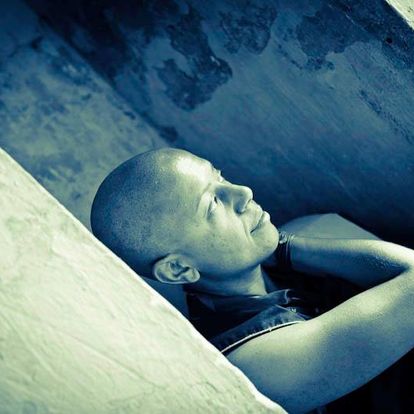
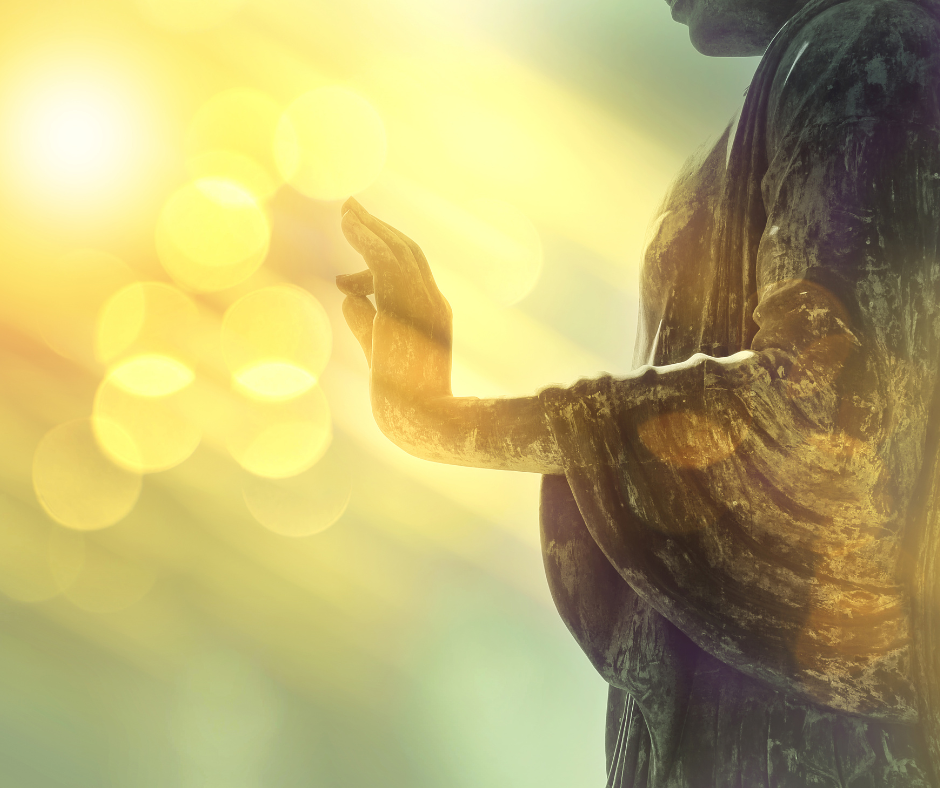
Photo @ Orlando G Boström

( This blog article was originally published on the Golden Age Models blog, and has been re-edited here for the Sky Dancer World blog)

Like with all significant transitions, I remember leaving lay life to pursue the life of a monastic as an initiation rite of sorts. My awakening heart was calling me out into deep unknown waters, and I was passionately mesmerized to follow that calling. 

I shaved my head and sent my long curly locks to a new destiny as wigs for children who had lost theirs due to leukemia and cancer. 

A few months earlier I had left a successful business as the founder of my trademarked body-mind practice in oder to journey deep and far on the Buddhist path.

Everything was put on hold; relationships, workload and all other worldly concerns. I sold my clothes and my home. 

Do you like what you are reading? Sign up for more dharma blogposts below.

As I followed my heart into the doctrine of the Buddha Dharma everything else crumbled into dust. At the same time the gifts and challenges that came with walking the path was beyond my imagination.

I traveled through sacred places in the Himalaya’s and received transmissions from those who had gone beyond any limited perceptions. I met masters of wisdom and compassion that served as beacons in our dark world.

Some of the insights that came with sitting in the company of such incredible people put a light on the starch contrast between what forms us vs them. 

I could see how our limiting beliefs forms us into miniature versions of what we can be, vs the unlimited reality that the masters beliefs forms them into being unlimited beings.

Most of us are disbelieving that we can become whatever we want and make it work. We get stuck in different identities.

This belief structure is a normalized behavior trade among us, and very unlike the one Buddhist Masters display. Furthermore they are habituated to take a humble but confident approach, even when possessing the most outstanding of minds, while we have a tendency to be impressed by facades and illusions.

Do you like what you are reading? Sign up for more dharma blogposts below.

Instead we too can aspire to expand our reality by follow in the excellent footsteps of the wise and allow ourselves to inspire and be inspired by people and ideas outside the norm box.

Since I returned to the worldly world after more than a decade on the road in the name of Dharma life has been a rollercoaster. Still, I’ve never lost my inner compass thanks to being soaked in a stable wisdom tradition. 

I’ve gotten accustomed to life’s inevitable uncertainties and know that they can serve as a preparation for more enormous leaps of faith further on our path. It certainly has for me.

Do you like what you are reading? Sign up for more dharma blogposts below.

Joining a model agency became part of my step back into the world. To be part of a force that represents people over fifty in all our glory, and how we can inspire each other to age with grace. After years off grid. I’m also active on social media and continue to align my self with the good forces of the world in new ways.

Being back in the west as a lay person is giving me the chance to incorporate the strengths and insights from my past with the current phase of my life. Life keeps throwing me a curve balls, to put me in greater alignment with my personal journey in the most unexpected of ways!

Blessed be,

Do you like what you are reading? Sign up for more dharma blogposts below.

Get Dharma Blog Posts straight to your device

Walking in the fearless footsteps of the Buddha Dharma in Sweden

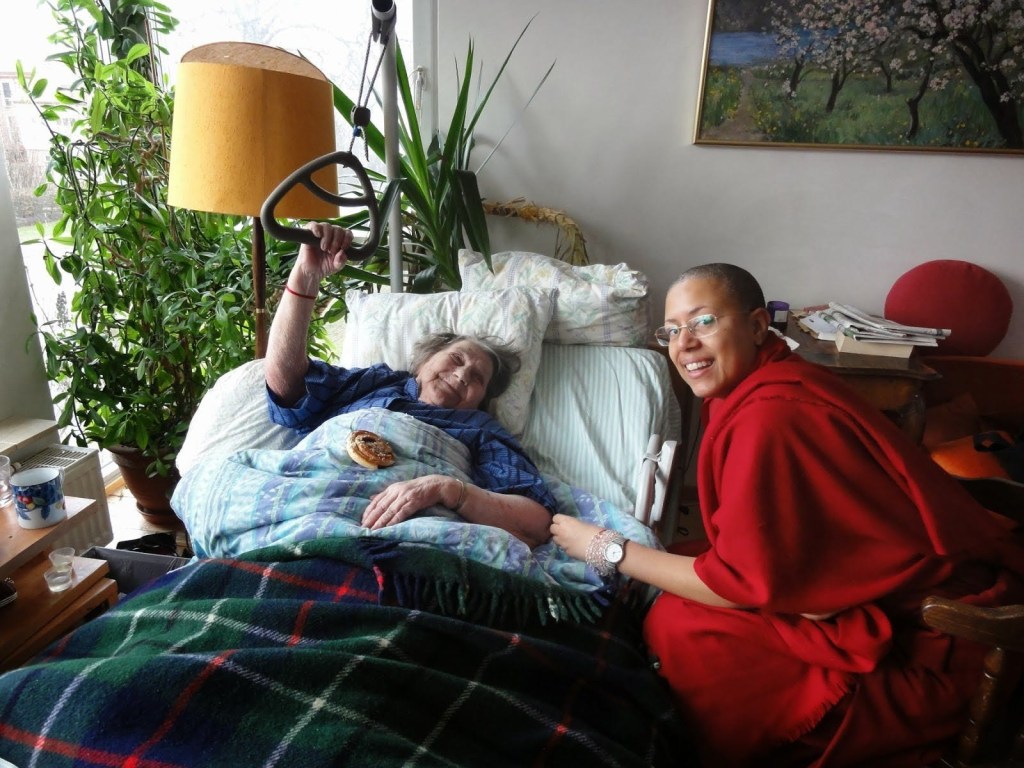
Many years ago, when I was still a nun, I had the incredible opportunity to meet with the dharmic heroine Gudrun Hegardt. Unfortunately, she is no longer with us, but she acted as an essential anchor for the Dharma to come alive in our dark snowy land of the north during her days.

Without her fearless progress, the introduction of the Buddha Dharma to this frozen soil would have slowed down, and more than one beautiful opportunity to connect with the Buddhist wisdom path for the natives here would have been lost forever.

She greeted great Lamas upon arrival, made sure they had a place to stay, and planned and organized for their longed-for arrivals. She sat with the 16th Gyalwa Karmapa as His Holiness performed the black crown ceremony in Stockholm for the first time during his era. She was also one of the first in this country to meet His Eminence Kalu Rinpoche in his previous incarnation, and so enjoy the nectar of Dharma flowing from these prominent masters visiting our native land.

Do you like what you are reading?

Sign up for more Sky Dancer blog posts below.

Gudrun was one of the precious key holders that opened the door for the Dharma to flourish in Sweden.

Emaho! I rejoice in her merit!

Meeting her over a cinnamon roll and a hot drink, her depth, wittiness, and sensitivity touched my heart. It was a joy and a true honor to make this connection. She was already in her 90s then and spent most of her time in bed. And with the earth as her witness, she didn’t waste her precious life but lived a life full of spirituality.

However, since the golden days of Dharma activities in Sweden during the 1980s, the Dharma has almost fallen into a sleeping beauty state. That state has been prolonged over decades now in Sweden.

If it weren’t for a few torch-bearers that have kept the dharmic light burning in this cold dark corner of the world, this would have been an even darker place than it already is.

Do you like what you are reading?

Sign up for more Sky Dancer blog posts below.

Once upon a time, there was even a classical three-year retreat held in Sweden under His Eminence Kalu Rinpoche. The few Swedish Lamas and senior dharma practitioners that were still around when I first came to know them years back have scattered into the shadows since long. But the warm light I had the good fortune to receive through Gudruns clear blue eyes was filled with sincere and delightful strength—an important meeting between two different dharma generations.

I feel grateful that there was still time to discover some of the precious dharma jewels of Sweden while they were still around. To connect with the pathways they created and the merit they assembled. I feel humble before following in the footsteps of such pragmatic and fearless heroines and heroes. And bow joyfully to the fact that decades of moldered leaves cant hide the dharmic seeds that once started to take root and were planted in this northern mother soil.

I fold my hands with bursting joy for the new sprouting dharma buds that long to break free and embrace the whole space with their fresh petals. I welcome a new spring for the Swedish Buddha Dharma and the global international community that we are in this digital age.

Do you like what you are reading?

Sign up for more Sky Dancer blog posts below.

Looking for even more inspiration? Sign up for our newsletter here.

Get Dharma Blog Posts straight to your device

སྒྲོལ་མའི་བསྟོད་པ། In Praise of Tara

Tara, also known as Drolma in Tibetan, is a Bodhisattva or Buddha of compassion in action, a protector who comes to our aid to relieve physical, emotional, and spiritual suffering.

She is not like most of us human beings who, yes, can admit to her virtue of being a helper, but at the same time, we ourselves instead respond by sending a short text message when someone calls us. Talking to each other seems so last year. 

The time-consuming habits that we develop in our day and age easily persuade us to get into the habit of never answering our phone when someone calls. We don’t have time. It’s inconvenient. We text each other.

So, when someone, like a loving and carrying wisdom force like Mother Tara, does respond to our call, we are so blessed to be reminded of this act of loving-kindness. At that moment, we do our best to take the time to wind down and allow ourselves to say yes to an active response.

Do you like what you are reading? Sign up for more dharma blogposts below.

I have been calling on and meditating on Tara the Liberator for decades myself and have a deep love for and trust in this amazing Buddha. She has helped me in so many different situations countless times.

For instance, when I was about to be trained as a nun in the Himalayas and needed conducive circumstances to remain there on a long-term basis, Tara appeared everywhere, in the most surprising places.

The deity showed herself in many unexpected ways throughout that whole time of taking all the proper steps toward a long-term visa. Reminders of the deity Tara crossed my path repeatedly. 

Tara was truly turning up in her twenty-first-century manifestations as painted tattoos on strangers’ wrists seated next to me in public, as wall frescoes on city walls, and through her name displayed on a personalized license plate on a silver corvette. A car in which I was offered a ride home. What are the odds?!?

The swift and protective Mother of all Buddhas dispelled all the last doubts I had as to whether I would be granted the conducive circumstances I prayed for or not. 

The rest is history. I remained twelve years a nun, and I spent much of that time in the Himalayas thanks to some apparent blessings, including a long-term visa.

All these contemporary displays of Tara tickled my connection to the deity. It was as if she was blinking her divine eye at me from tattoos and license plates to let me know she was right by my side and urging me along the right track. 

Do you like what you are reading? Sign up for more dharma blogposts below.

To start a Tara practice or deepen our connection with the Buddha Tara, we begin our formal mantra recitation sessions with a lot of love and the sincere wish to know the truth. Pray to be close to the goodness within and to awaken to our natural light for the benefit of all beings. 

There are eight particular dangers from wish we can call on her to instantly free us, each of which represents a corresponding mental agony, namely pride, ignorance, hatred, jealousy, poisonous views, greed, attachment, and doubt. We all can recognize these eight disturbing mental states, which are the main dangers to our peace of mind.

For Tara to be able to benefit us, we need to approach her with an open heart and mind. And we can awaken our own Buddha nature, just like she did a long time ago, by chanting her praise, reciting her mantra, and meditating on her form and presence.

If we choose to recite mantras, they shouldn’t be aimless lip service but come from a heartfelt wish to connect, protect and transform. 

Whatever disturbing emotions we are experiencing, we can relate these to particular sufferings that we are all familiar with. We can meet the unwanted feelings that come with these undesirable circumstances from a place of wisdom. However, no matter how many mind tools, personalized meditation apps, and therapy sessions we have at our disposal, there will always be things like getting what we don’t want and not getting what we do want. These experiences are sprinkled throughout our lives. That’s how we learn and grow. In the best-case scenario, we learn to appreciate whatever comes our way. 

Do you like what you are reading? Sign up for more dharma blogposts below.

The feelings and thoughts that come with unwanted experiences could be called “the smelly fertilizers nurturing the seed of our blossoming lotus.” Remembering this might help us to ease our pain in the midst of it all. 

Whatever challenges we are going through, let’s never forget that all these problems are relative, even though we perceive them as genuine suffering for the time being. 

By relying upon Tara and doing Tara practices, such as reciting her root mantra, “om tare tuttare ture soha, “Tara has the power to liberate us from all our miseries. From our side, we need to be determined and stick to our practice to see a difference. “Never give up,” His Holiness The Dalai Lama says.

“Om tare tuttare ture soha” literally means “I prostrate to the Liberator, the Mother of all the Victorious Ones.” On a deeper level, this mantra, like all genuine mantras, is much greater than the sum of its literal parts, with layers of meaning and benefit that resonate with us beyond what our minds first perceive.

To access the most accurate power of her root mantra, “om tare tuttare ture soha, “it’s best to have a transmission for it. Suppose you don’t have a transmission for the mantra but still wish to connect or deepen your relationship with Tara. In that case, you can make the aspiration that you will get the opportunity to get a transmission for the mantra in the future. 

We can subdue our fears by calling on Tara’s protection from danger. We call upon “her who hears the cries of the world” with a sincere motivation to be relieved of our suffering. By doing so, we help both ourselves and others while gaining multiple benefits and becoming happier.

If you wish to connect more with Buddha Tara you can find this blog post available as a narrated version on my YouTube channel. So, to listen to the narrated version of this blog post “In praise of Tara” visit my YouTube channel here.

Do you like what you are reading? Sign up for more dharma blogposts below.

In the Dharma,

Lama Chimey

Get Dharma Blog Posts straight to your device