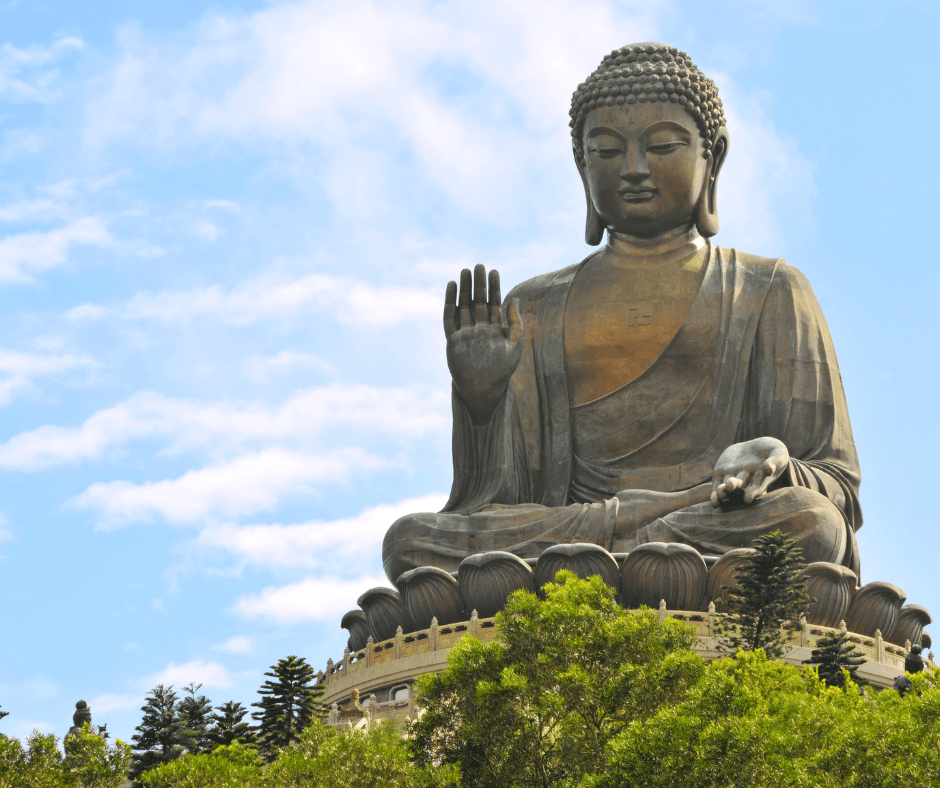
The Hollywood actress Uma Thurman is actually named after the central channel in the subtle nervous system — Uma (དུམ་མ།). Her parents are Vajrayana Buddhists, and her name reflects this deep symbolic lineage. So next time you hear her name, remember it’s not just Hollywood — it’s also inner wisdom!
In my two latest workshops, we’ve examined the central axis within the subtle nervous system. This axis is known in Tibetan as Uma. This channel runs vertically through the center of the body. It connects with a complex network of thousands of subtle nerves, or nadis. That’s why we sit upright when meditating. We only lie down for specific relaxation or Nidra practices. In Tibetan Yoga, these structures form the foundation for many of our energy-body techniques.
Do you like what you are reading? Sign up below for more blog posts
Uma is not about inner stillness or comfort. It’s the highway to the path of awakening. This path is a way to access our full human potential. We do this by aligning ourselves with our most refined internal structure. When the central channel is activated, we start to move beyond the distorted states of mind. These are linked with the so-called “lower realms” — patterns of hatred, greed, jealousy, and habitual reactivity.
In traditional teachings, Uma is the channel for the wisdom winds (rlung) to rise. This happens when the mind is stable and directed. This rising allows for clarity and lucidity. It provides the ability to break free from the emotional conditioning. Such conditioning keeps us locked into worldly concerns and samsaric cycles. Without access to Uma, the winds stay trapped in the left and right channels, reinforcing dualistic perception and mental confusion.
One of the ways I work with these teachings is through a practice I’ve developed called Namkha Nidra. It draws from traditional Yoga Nidra and integrates core principles from the Tibetan understanding of mind and subtle anatomy. The word Namkha (ནམ་མཁ།) means “sky” or “space.” It refers not only to the physical sky but also to the open, boundless quality of consciousness. Namkha is also used in Tibetan ritual. It involves art and energetic symbolism. These are part of a geometric form representing the five elements and their interdependence.
Do you like what you are reading? Sign up below for more blog posts
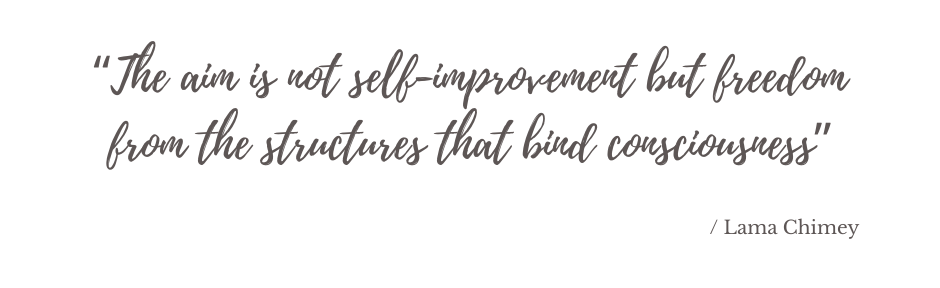
Namkha Nidra is not about healing or self-soothing. It focuses on loosening the identification with limited self-concepts. It involves shifting attention toward the space that is always available but usually unnoticed. The aim is not self-improvement. It is about gaining freedom from the structures that bind consciousness. These include attachment, aversion, and the mistaken belief in a fixed “I”.
This involves a fundamental shift in how we relate to experience. Rather than attempting to fix or fulfill the personal narrative as our main goal, we train in releasing its grip. (More on this topic in the live teacher conversation series, available as recordings on my Instagram feed.) The sense of “I” becomes more porous, and what remains is awareness itself — vivid, unbound, and naturally ethical. Tibetan Yoga is typically part of the curriculum in a traditional three-year retreat. It offers a precise and well-tested map for navigating this terrain, and Uma is central to that process.
Do you like what you are reading? Sign up below for more blog posts
The strength of Uma’s vertical channel supports our exploration of Namkha’s boundless space — they are not opposites but complementary. Together, they offer us a balanced approach to mental training. Uma aligns and stabilizes us. Namkha provides the expansive release of the structures that bind consciousness. In this way, both sitting up meditations and lying down practices like Yoga Nidra can serve the same purpose. They help us break free from conditioned patterns. We become more aligned with the open, unbound nature of mind.
These are not abstract ideas reserved for scholars, monastics or Himalayan yogis. Whether you’re new to these terms or have practiced for years, the logic of this system is experiential. You can explore it directly in your own body — but I strongly recommend doing so with proper guidance. The subtle nervous system should not be experimented with casually, especially not through an app or book alone. Seek out a teacher with authentic training who can guide you responsibly.
Do you like what you are reading? Sign up below for more blog posts
If you’re curious about what it means to align beyond the personal self, subscribe to the newsletter. It is a good place to start. It goes beyond reading this blog. I share grounded teachings, practice materials, and updates on upcoming sessions — always rooted in lived experience. I’d love to connect with those of you who are ready to go deeper. Get in touch here.
Together on the path,
Lama Chimey
Get Dharma Blog Posts straight to your device
 Lama Chimey