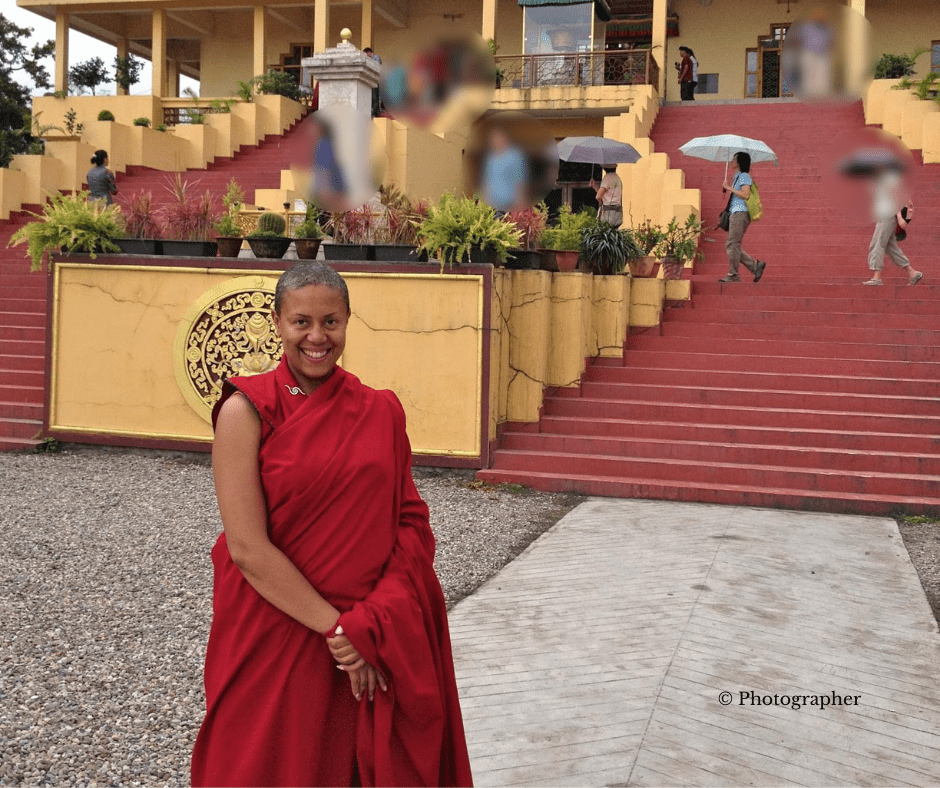
The Pause Before a Threshold
There are mornings when the world seems to pause just long enough to remind us what matters. The air is quiet, the light soft, and even familiar paths feel charged with possibility. My last day at Gyuto Monastery was one of those mornings. It was not an ending, but a threshold—a moment that calls for attention, for gratitude, for recognition of the gifts present in ordinary time. Gratitude for teachers, for timing, for the chance to practice what is learned in the quiet of the heart.
Receiving the Gift of Compassionate Presence
The day before my departure was one of the weekdays when His Holiness regularly gave a public audience. The security procedures were rigorous, as always. By then, we had all grown accustomed to the rhythm. Yet, this day carried a different energy. It was a simple awareness that it was a final opportunity to receive guidance before moving on.
Do you like what you are reading? Sign up below for more blog posts.
In the temple, I stepped forward with a silk katha, (a traditional ceremonial scarf) head lowered. “I’m leaving now,” I whispered. He silently took note and returned the katha by placing it around my neck, as customary. It was a heartfelt and special moment—a reminder that gratitude lives in the simplest gestures.
Later, on the upper terrace overlooking the small village of Sidhbari, the quiet lingered. Then the mobiles around us began to beep. The message: the Gyalwa Karmapa was inviting a core group of Western disciples to return for a teaching the next morning. It was unusual, and the timing exact. Gratitude appears in these openings, waiting to be noticed, ready to be received.
The Heartfelt Transmission of Buddha Chenrezig
The next morning, the temple was prepared with care. His favorite armchair was placed at the front, and rose petals traced the path he would walk. More people arrived than he had intended, yet everyone was welcomed. Generosity shaped the room before a single word was spoken.
Do you like what you are reading? Sign up below for more blog posts.
He spoke of the practice of Chenrezig: “It all comes down to develop the compassion this practice is pointing to. What we call compassion is the desire to protect sentient beings from suffering. We can call it a sense of determination, a sense of courage or resolve. It’s not merely something intellectual, but rather it is a powerful, heartfelt quality, one that must be sincere.”
Compassion is gratitude in motion. To carry compassion into the world requires acting with care and courage. It means wishing to relieve the suffering of others. This is the living practice. It is the gift that travels beyond the walls of any monastery.
Gratitude in Motion — Carrying the Lesson Forward
Life offers thresholds often—moments when ordinary routines shift, when quiet openings appear, when something asks for our full attention. Standing at these thresholds, we can allow gratitude to move through us: for teachers, for clarity, for timing that allows a lesson to unfold. Gratitude does not require ceremony or applause. It lives in attention, in presence, and in the commitment to bring compassion into the world.
Do you like what you are reading? Sign up below for more blog posts.
The practice of gratitude is inseparable from the practice of compassion. To notice, receive, and carry forward what is given, to bring kindness and courage into the ordinary moments of life—that is the gift to share.
Giving Thanks,
Lama Chimey
Get Dharma Blog Posts straight to your device
 Lama Chimey